


Griff Thomas considers whether the UK has the grid capacity, infrastructure planning and skilled workforce needed to support a more electrified energy system.
The question of whether the UK is ready for a highly electrified energy systemn is often framed too narrowly. It’s approached as a technology debate, with questions like: can we build enough heat pumps, deploy enough electric vehicles, or install enough renewable generation? In reality, electrification isn’t limited to one sector. It’s a system-wide transformation across transport, heating, industry, infrastructure, and skills. This broader perspective is what highlights both the UK’s progress and its weaknesses.
The direction of travel is clear. Across government policy, corporate strategy, and consumer behaviour, the UK is steadily electrifying. Electric vehicles are becoming mainstream, heat pump usage is growing, and industry is beginning to replace fossil fuel-derived heating with electric alternatives. Readiness isn’t just about how quickly something is adopted. It’s about whether the electricity system (its infrastructure, technology, and people) is ready for a completely different pattern of demand.
A system experiencing rapid transformation
The UK electricity system was not designed for the scale or shape of demand it is now expected to serve. Historically, demand was relatively stable, predictable, and dominated by industrial consumption and gas-based heating. That model is now being gradually dismantled.
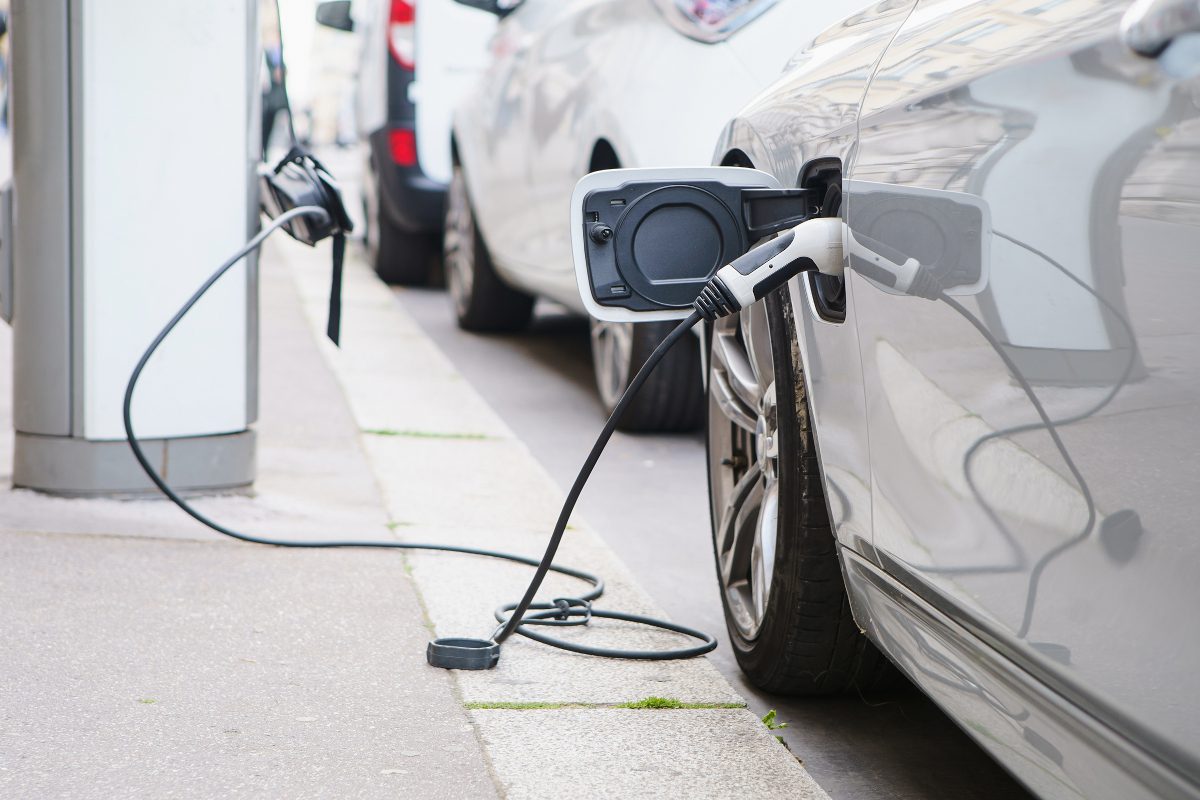
Electrification of transport introduces a new, highly flexible but potentially intense layer of demand. Electric vehicles, particularly when charging is uncoordinated, can create sharp local peaks in demand. This has already highlighted the need for significant expansion of flexibility services and grid capacity to manage this shift effectively. Without it, local distribution networks risk becoming the limiting factor in the transition.
Heating presents an even greater structural challenge. As gas boilers are replaced with electric heat pumps, this leads to winter peak electricity demand rising substantially. In the UK, a large proportion of buildings will need to transition within the next decade to meet country-wide climate targets. This is not a like-for-like substitution, but a reconfiguration of seasonal energy demand that places unprecedented pressure on distribution networks.
Industry adds another layer of complexity. While industrial electrification is technically well understood, adoption is uneven. Some of the main barriers include perceived risk, skills gaps, and uncertainty around process reliability in high-temperature or continuous production environments. These are not impossible obstacles, but they do highlight the fact that technology readiness does not automatically translate into deployment readiness.
The grid: necessary, but not yet sufficient
Much of the public debate focuses on whether the UK grid can cope with electrification. The more accurate framing is whether it’s being upgraded at the speed and intelligence required.
The electricity grid is already undergoing rapid change, with major investment in transmission infrastructure and increasing deployment of smart systems, storage, and demand flexibility tools. Yet the scale of the challenge is considerable. Electricity demand is expected to rise sharply as heat, transport, and industry electrify, reversing decades of relative stagnation in consumption.
The key issues are capacity and coordination. A future electric system needs to operate more dynamically than ever before, balancing variable renewable generation with flexible demand from millions of connected devices, including vehicles, heat pumps, industrial equipment, and smart appliances. Without proper organisation, electrification risks becoming inefficient and expensive, rather than clean and resilient.
This is why flexibility will be the key feature of the future energy system. Demand-side response, smart tariffs, vehicle-to-grid integration, and automated energy management will determine whether electrification reduces emissions efficiently or simply shifts stress elsewhere in the system.
Transport: ahead on adoption, behind on integration
Transport is arguably the UK’s most visible electrification success story. EV adoption has accelerated quickly, supported by policy mandates and improving vehicle performance. However, infrastructure and system integration lag behind adoption.
Charging networks are expanding, but unevenly. More importantly, the system hasn’t yet fully accepted EVs as distributed energy assets. The potential for vehicles to support grid stability through smart charging or vehicle-to-grid technologies is largely untapped, despite its ability to significantly reduce peak demand pressures and enhance system resilience.
Without coordinated infrastructure planning, EV adoption risks shifting congestion from roads to the electricity network.
Heat: the toughest structural transition
If transport is the success story, heat is the challenge case. Much of the UK’s housing stock is old, thermally inefficient, and gas-dependent, which makes decarbonising heat one of the most complex infrastructure transitions in Europe.
Heat pumps are a proven solution, but their deployment raises three interlinked issues: upfront cost, installation workforce capacity, and grid impact during cold periods. While recent evidence suggests heat pumps may place less strain on the grid than previously assumed (when properly designed and integrated), system-wide deployment still requires significant reinforcement of local networks and improved building efficiency.
Importantly, heat decarbonisation is not just an energy policy issue, it’s a housing retrofit challenge, a skills challenge, and a consumer engagement challenge rolled into one.
Industry: the skills bottleneck
Industrial electrification is regularly discussed in terms of technology readiness, but the real constraint is capability. Many electrification solutions are maturing, yet adoption is slowed down by a lack of cross-sector expertise in design, installation, and system integration.
This is where the UK faces one of its most underestimated risks: workforce readiness. The transition to a largely electrified economy requires engineers, installers, and system integrators who understand how transport, heat, storage, and digital controls interact in real time.
Without sustained investment in high-quality, expert-led training and upskilling, electrification projects will continue to face delays, inefficiencies, and suboptimal performance.
So, is the UK ready?
The honest answer is: partially.
The UK is technologically capable, policy-aligned, and increasingly investment-ready. Progress across EVs, renewables, and heat pump deployment is real and accelerating. But system readiness is uneven, and the physical grid is still catching up. Flexibility markets are evolving but not yet mature. And the skills ecosystem is still fragmented relative to the scale of change required.
A future of large-scale electrification is a question of coordination. Success depends less on any single technology and more on how effectively the entire system is integrated, encompassing generation, networks, demand, storage, and people.
The path forward
The next phase of the UK energy transition will be defined by how intelligently assets are connected and managed. Electrification on its own can be inefficient. But when it’s coordinated, it brings resilience, lower costs, and reduced emissions.
For the training and skills sector, this represents a fundamental shift. The task extends far beyond simply installing low-carbon technologies and calls for us to educate a workforce capable of designing and operating a fully electrified system.
The UK is not yet fully ready for a mostly electrified energy system. But it’s on the right trajectory. The question now is whether system integration, and the skills that underpin it, can keep pace with the speed of electrification.