
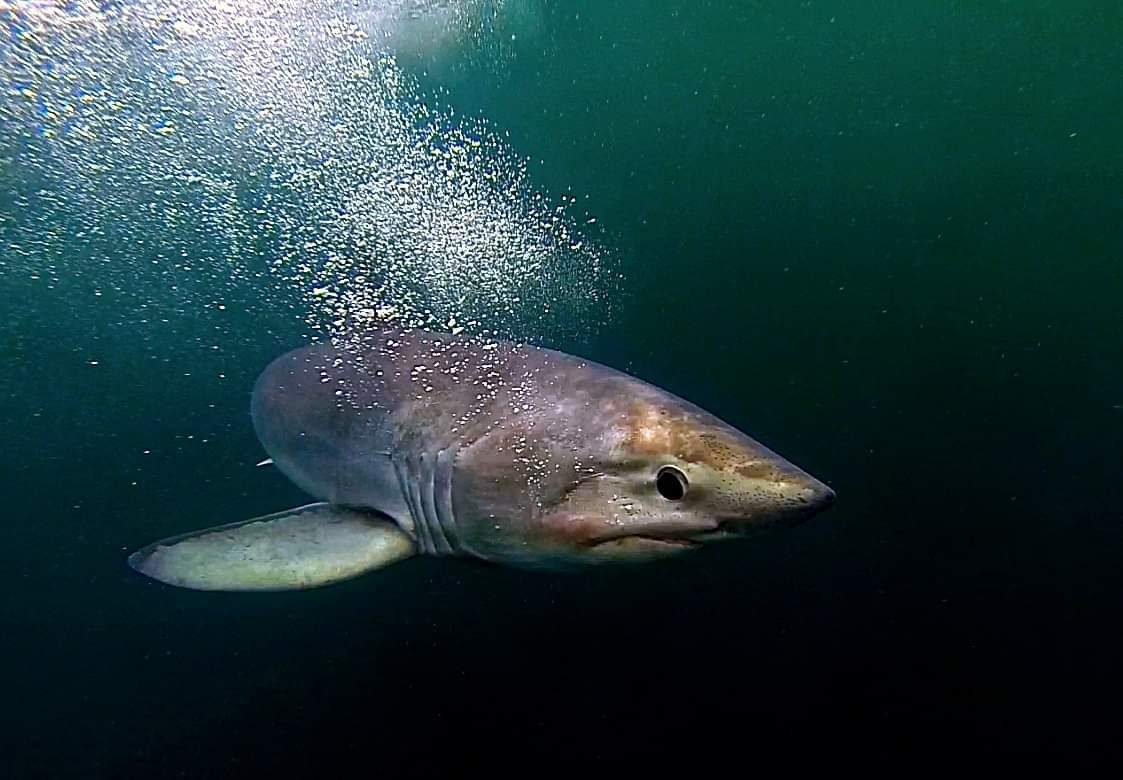
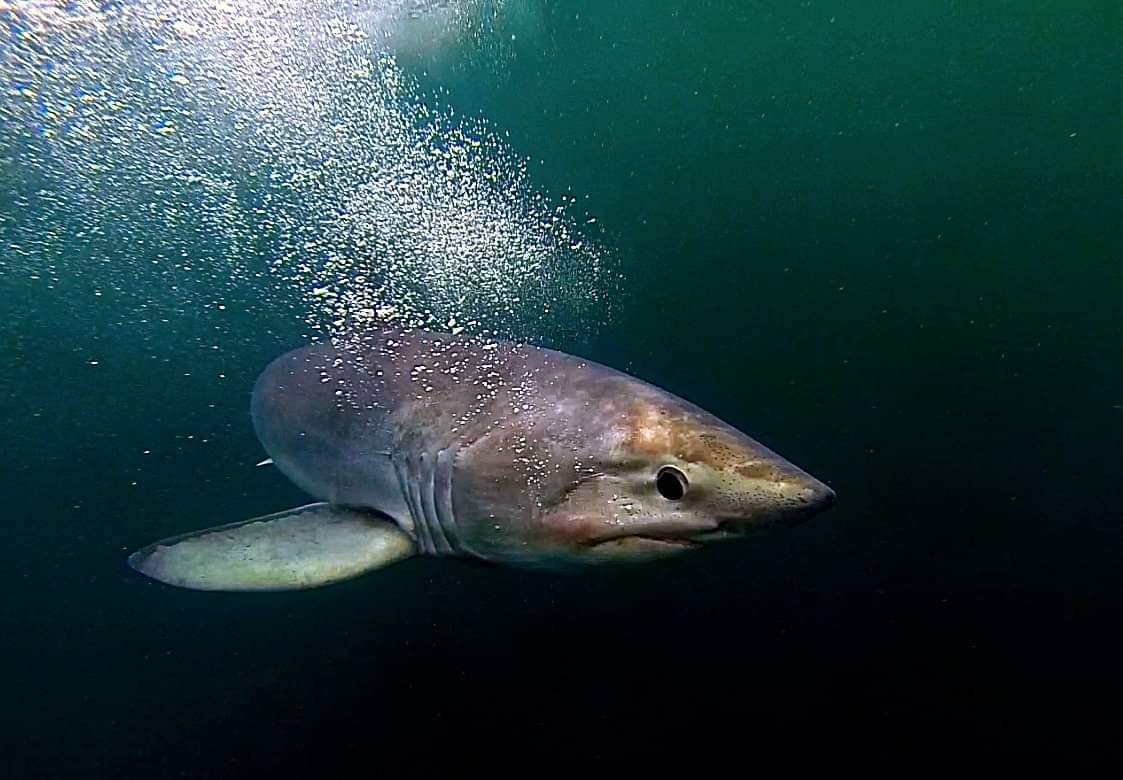
A major new conservation project that will help to improve understanding and protection of some of England’s most iconic shark species has been awarded funding of almost £1 million by Natural England.
Led by the University of Exeter in partnership with the Marine Biological Association and supported through Natural England’s Species Recovery Programme (SRP), the three-year project, From data to action: comprehensive assessment and conservation planning of English pelagic shark species, will deliver the most detailed assessment to date of blue, porbeagle and tope sharks in English waters.
The project is part of a wider government investment in nature recovery, with funding awarded through the SRP, which supports targeted action for threatened species across England.
To address this challenge, the project will bring together a wide range of information sources, including historical datasets, electronic tagging programmes, onboard recording schemes, and insights from recreational anglers gathered through interviews and workshops. By combining these approaches, researchers aim to identify critical habitats, improve understanding of shark survival rates and post-release behaviour, and build a clearer picture of how these species use English waters.
The Marine Biological Association’s contribution will draw on its long-standing expertise in marine ecology, fisheries science and evidence-based conservation. Through collaboration with project partners and stakeholders, MBA researchers will help to ensure that the findings are translated into practical, achievable conservation measures that support the long-term survival of these species.
A key aspect of the project will be knowledge exchange between scientists, recreational anglers, conservation organisations and other marine stakeholders. By bringing together these different groups, the team hopes to develop widely supported conservation actions that deliver lasting benefits for sharks and the wider marine ecosystem.

Commenting on the award, Dr Bryce Stewart: said: “Important and vulnerable shark species live in English waters, yet significant knowledge gaps remain regarding their distribution and abundance. This project will provide the most comprehensive assessment of blue, porbeagle and tope sharks undertaken in England to date. Working together with the University of Exeter, recreational anglers and other partners, we will collect data to help us to identify the actions needed to secure their future.”
Project co-lead, Dr Matthew Witt, Associate Professor, University of Exeter, said: “Coastal and open ocean sharks are among the most threatened groups of animals, yet they hold huge ecological, cultural and economic value.
“By combining generations of angler knowledge with state-of-the-art animal tracking technology, we’re building the evidence needed to secure a future for these remarkable species.”
Announcing the funding, Environment Secretary Emma Reynolds said: “Nearly one in six species in Britain are threatened with extinction and this Government is taking action to reverse that decline. Through the largest-ever investment in species recovery, we are backing projects across the country to protect threatened wildlife, restore habitats and secure the future of some of England’s most iconic species.”
Tony Juniper, Chair of Natural England, added: “We know that good science and effective partnerships can help restore species to favourable status, and this funding will enable us to support many initiatives to help halt and reverse the decline of our wonderful wildlife.”
The Species Recovery Programme has helped protect more than 1,000 species over the past three decades and prevented the national extinction of at least 35 species. The new shark project reflects the programme’s continued commitment to bringing together science, conservation practitioners and stakeholders to secure a better future for wildlife.
The Marine Biological Association said the project “represents another opportunity to contribute world-leading marine science that informs conservation policy and helps safeguard England’s marine biodiversity for future generations.”