
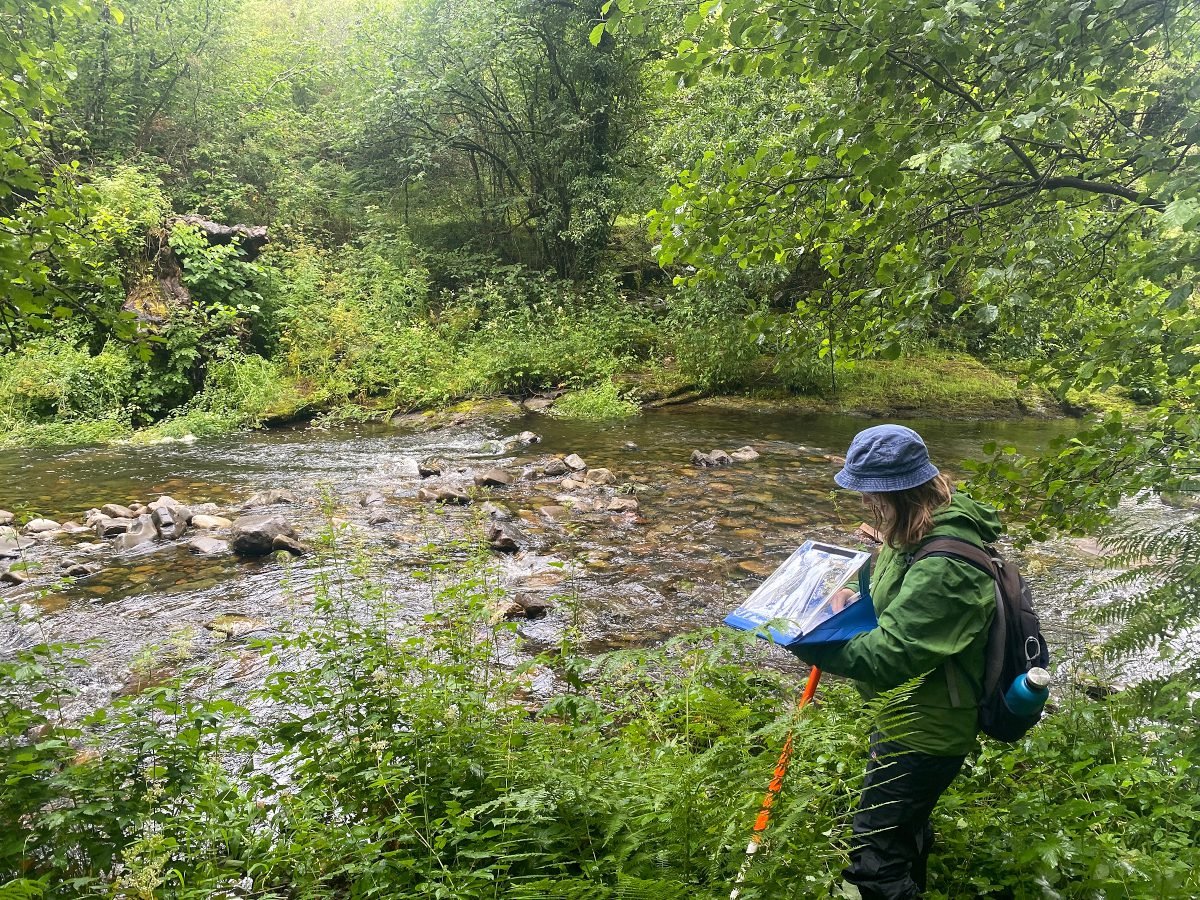
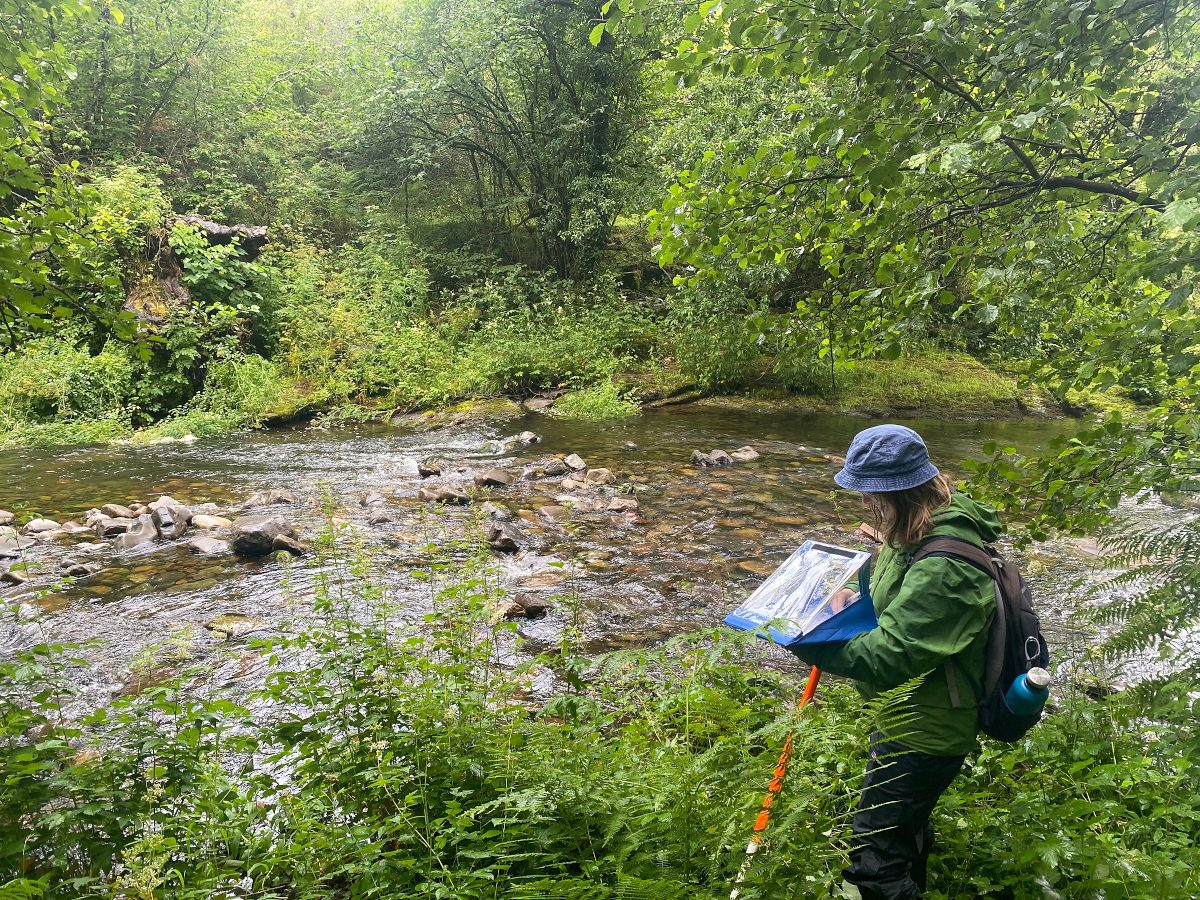
A national framework that intends to bring citizen-collected environmental data into mainstream catchment management is set to move into its next phase after the Catchment Systems Thinking Cooperative (CaSTCo) secured a one-year extension from the Ofwat Innovation Fund.
The extension is intended to shift the programme from pilot projects towards wider implementation, with plans to develop a National Citizen Science Accreditation Scheme, a National Catchment Data System and Standards, and a National Catchment Coordination Council. Together, the initiatives are designed to make citizen-generated environmental data more consistent, trusted and usable by regulators, water companies and other organisations responsible for managing river catchments.
The programme reflects growing recognition that improving river health will require more comprehensive monitoring than can be achieved through statutory programmes alone. By combining observations collected by trained volunteers with professional monitoring, the partners hope to build a more complete picture of water quality and catchment condition to support evidence-based decision-making.
According to the programme, partners and local communities have collectively monitored more than 132,000 locations across England and Wales and established a network of 36 groups carrying out regular waterway monitoring.
During the extension period, CaSTCo will seek to demonstrate that citizen science can be integrated into routine catchment management through nationally consistent standards and governance.
Among the planned developments is a National Citizen Science Accreditation Scheme, intended to build on regional pilots by establishing consistent methods and quality assurance so that volunteer-collected data can be trusted for operational use.
The programme also plans to develop a National Catchment Data System with common standards for sharing and interpreting environmental information, alongside a National Catchment Coordination Council bringing together regulators, catchment partnerships, water companies and other stakeholders to align priorities and improve coordination from national policy through to local delivery.
Jo Jolly, Director for Natural Assets, Environment and Innovation at Ofwat, said: “Our rivers are among our most important natural assets, and it’s time we treated them as such. CaSTCo is doing more than creating a framework for citizen science; it is giving people a meaningful voice in the stewardship of the resources that sustain our lives and livelihoods. As momentum builds towards ending sewage pollution, reducing agricultural run-off and tackling chemical pollution, citizen participation will continue to be one of the most powerful forces for change. By giving everyone the tools, confidence and platform to understand and champion their local waterway, we not only transform how we manage river health, but how we all connect with and value our rivers.”
Louisa Simpson Brown, Nature and Catchment Strategy Manager at United Utilities, says: “We are proud to be lead partner in the CaSTCo project and excited to see the impact that integrated catchment monitoring can have at a large scale. We have seen such positive outcomes at a regional scale, we believe this extension will allow this to be magnified and drive informed decision making by all key players in the water sector, leading to improvements in water quality for everyone.”
Amina Aboobakar, Director of Strategy and Stewardship at The Rivers Trust, says: “If we want healthier rivers, we need to understand much more about what is happening in them and around them. That means working together better and making sure the right information is available to the people making decisions. CaSTCo’s Roadmap for the Future gives us a practical way to do this. We have already seen how powerful this approach can be locally. Now we have an opportunity to build something bigger: a joined-up national approach that brings together data, evidence and local knowledge to help rivers recover.”
The programme’s longer-term ambition is to establish an integrated approach to catchment monitoring across the UK, with the partners aiming for every river to be routinely monitored by 2035.