
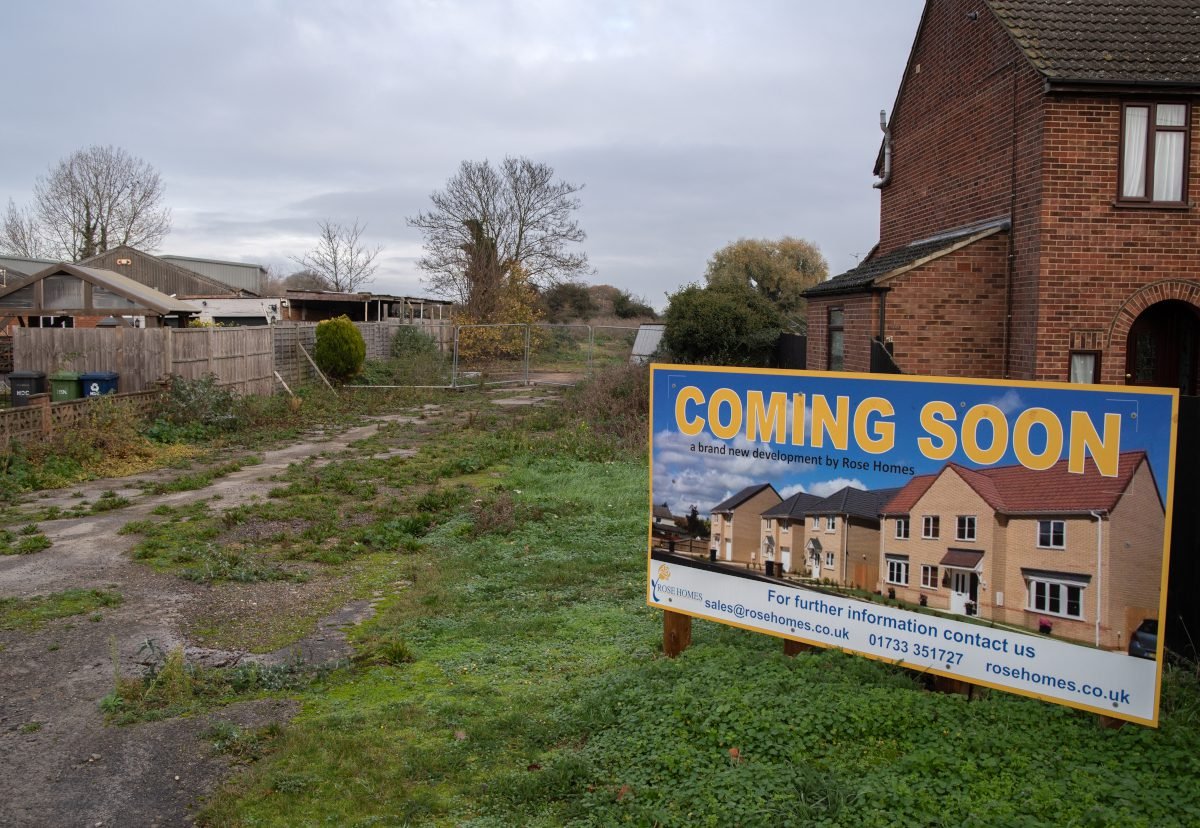
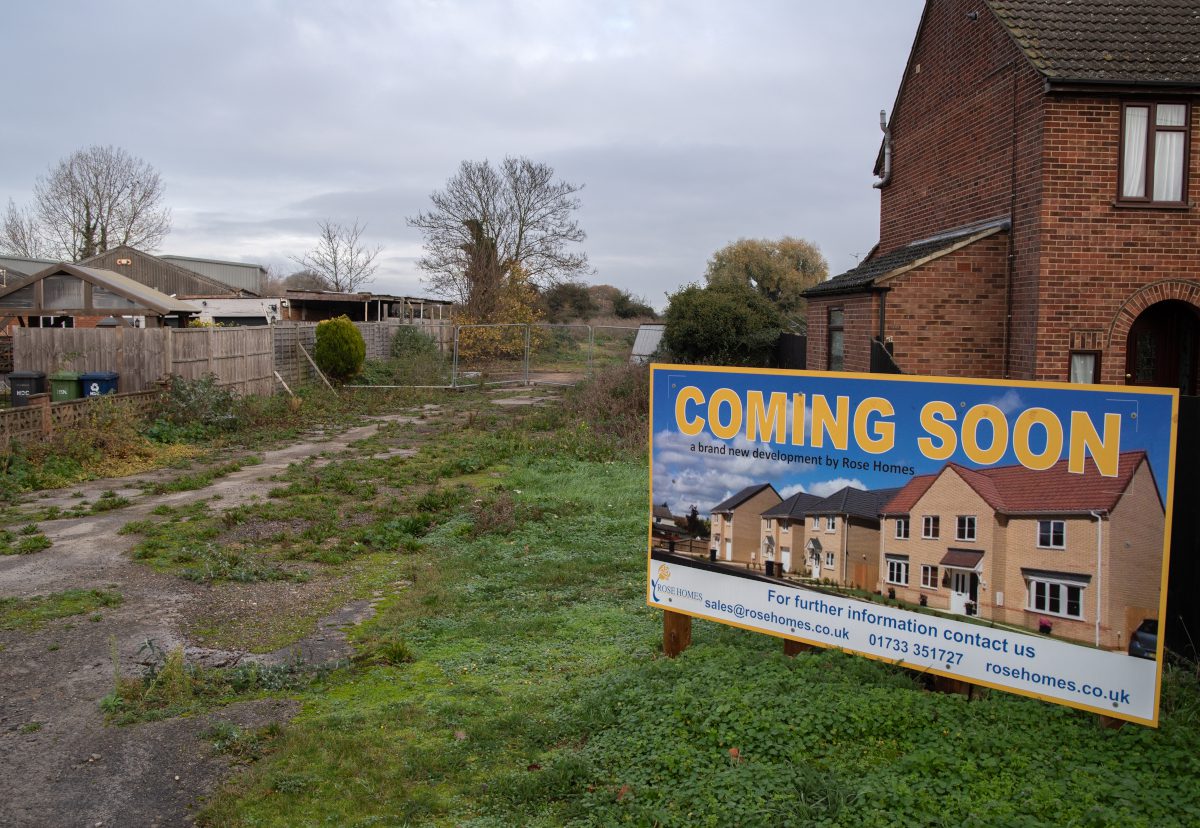
Plans to exempt smaller brownfield housing developments from biodiversity net gain requirements have prompted concerns about habitat protection and investment in nature recovery, even as the Government prepares to extend the scheme to major infrastructure projects.
The Autumn Budget, delivered on 28 October, confirmed that residential developments on brownfield sites of up to 1.5 hectares in England will be exempt from biodiversity net gain (BNG) requirements.
The Government says the change will reduce development costs, simplify planning and encourage housebuilding on previously developed land, in keeping with its stated preference for brownfield development.
But environmental organisations and legal specialists have warned that the exemption could undermine habitat protection and weaken the emerging market for biodiversity credits and units.
Introduced for most developments in England in 2024, mandatory BNG generally requires developers to deliver a measurable 10% improvement in biodiversity value compared with a site’s pre-development condition.
Developers can meet the requirement by creating or improving habitats on-site, securing off-site improvements or, as a last resort, purchasing statutory biodiversity credits. Significant habitat improvements must generally be maintained for at least 30 years.
The system was intended both to compensate for habitat losses associated with development and to stimulate private investment in nature recovery.
Brownfield does not mean biodiversity-free
One concern is that previously developed land can support ecologically valuable habitats, particularly where sites have remained undisturbed for long periods.
Penny Simpson, partner and head of environmental law and the natural capital legal team at Freeths, described the Budget announcement as disappointing.
“Brownfield sites can be rich in biodiversity, and exempting further developments from biodiversity net gain requirements risks weakening demand for biodiversity units. That demand is vital if the Government wants private investment to support nature recovery.”
She also hinted at a potential conflict between the exemption and the Government’s wider ambitions for attracting private capital into environmental improvement.
“There is a clear tension between today’s announcement and the Government’s commitment earlier this week to grow private-sector demand for nature. Ministers cannot expect natural capital markets to flourish while simultaneously removing demand drivers.”
Where developers cannot deliver sufficient biodiversity improvements within their own sites, they can purchase units generated by habitat restoration or creation elsewhere. Landowners and specialist providers may invest in such projects in anticipation of demand from developers.
Removing the BNG obligation from another category of development could therefore reduce demand for these units, although the scale of any effect remains uncertain.
The Wildlife Trusts also criticised the exemption, warning that it could reduce opportunities to restore nature in towns and cities.
Dom Higgins, the organisation’s head of health and education, said the decision would remove opportunities to introduce trees, ponds, wildlife habitats and parks into urban communities.
The group also highlighted the wider benefits of urban green spaces, including cooling during heatwaves, reducing flood risks and improving access to nature.
The Bumblebee Conservation Trust raised a related concern about the ecological importance of brownfield sites, some of which provide flower-rich habitats for pollinators, including threatened species.
It warned that the cumulative loss of smaller sites could fragment habitat networks, making it harder for insects to move between feeding and breeding areas.
A wider programme of exemptions
The latest announcement follows changes to the BNG regime that came into force in August 2026, including an exemption for developments occupying no more than 0.2 hectares, subject to conditions protecting priority habitats.
The Budget’s proposed 1.5-hectare exemption would extend relief to a substantially larger category of residential brownfield development.
However, the precise scope of the new exemption and its implementation timetable have yet to be finalised.
The Government says it will publish its full consultation response and impact assessment in due course. These documents should provide a clearer indication of the likely effects on development costs, habitat creation and the biodiversity-unit market.
The Local Government Association has expressed support for making brownfield development easier and the BNG system more proportionate, while seeking further information about the implications for councils and local nature recovery.
The reforms also sit alongside an expansion of the scheme in another direction.
From 2 November 2026, BNG becomes mandatory for Nationally Significant Infrastructure Projects, bringing major developments within a framework that has previously applied principally through the town and country planning system.
The Government says this will ensure that some of the country’s largest developments contribute to nature recovery.
What seems to be on the cards is an approach that redistributes the burden between large and small developments, reducing biodiversity obligations on the latter while extending them when it comes to major infrastructure.
One unanswered question is whether the additional biodiversity gains required from large projects will compensate for the loss of demand arising from exemptions elsewhere.