
Standard tests fail to identify 99% of toxic PFAS chemicals in the Ganges River, according to a new study from interdisciplinary research organization The James Hutton Institute, the University of Graz, Warsaw University of Technology and the Indian Institute of Technology.
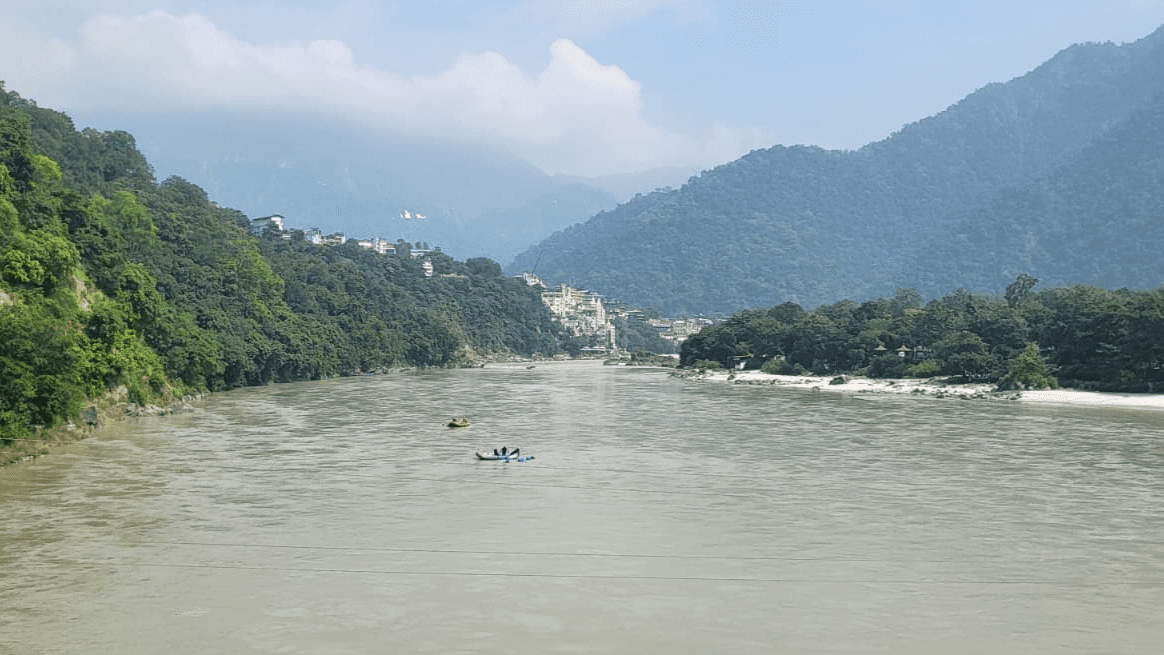
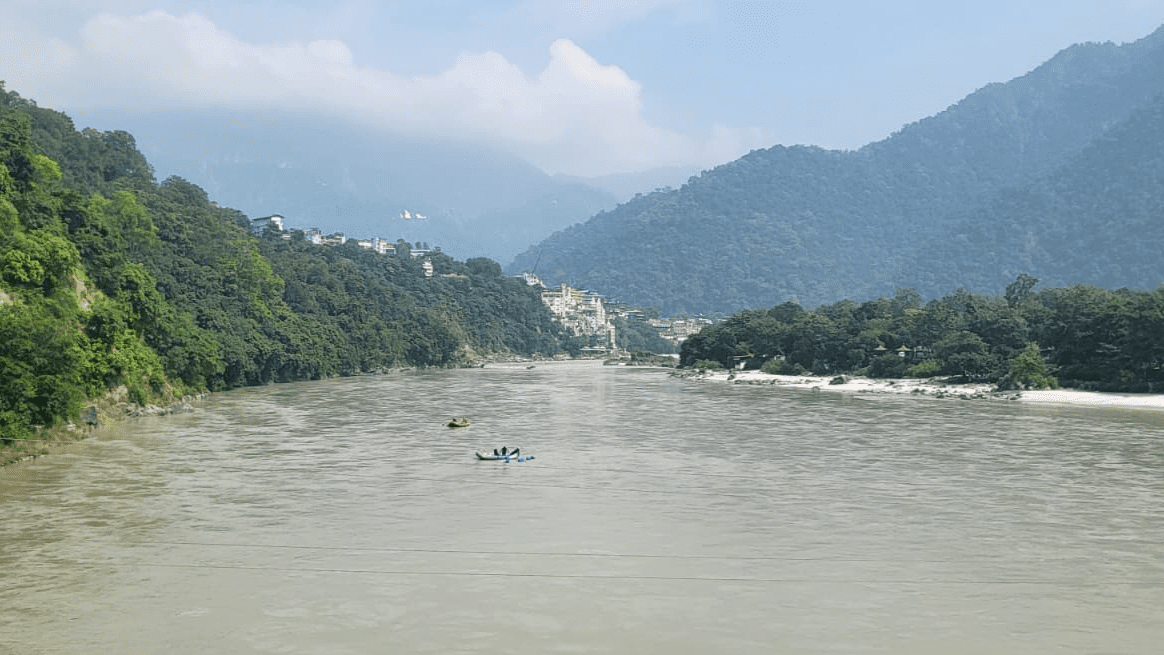
Flowing over 2,500km from the Himalayas to the Bay of Bengal, the Ganges River serves as a lifeline to millions of people, providing water for agriculture, industry and human habitation. It holds great cultural and religious significance in Hinduism and supports a rich biodiversity, including 140 species of fish, 90 species of amphibians and various reptile and mammal species, some of which are critically endangered.
However, the Ganges currently faces severe pollution from industrial waste, sewage and agricultural runoff. These pollution sources contribute a variety of contaminants to the waterway, including organofluorine compounds.
Organofluorines are a broad category of organic chemicals that contain at least one carbon-fluorine bond. This chemical bond is exceptionally strong, which gives these substances unique thermal and chemical stability. While this makes them useful for industrial applications, it also makes them extremely difficult to break down once they enter the environment. The organofluorine class includes PFAS, a group of more than 12,000 synthetic chemicals which are used in everyday items such as frying pans, waterproof jackets, food packaging and cleaning products, and are also produced by industrial processes. Known for their ability to persist long-term in the environment, PFAS have also been linked to negative impacts on human and animal health, including cancer, fertility issues and liver damage.
To better understand which kinds of organofluorines are present in the Ganges, researchers from The James Hutton Institute and the University of Graz analysed sediment samples from 14 different locations along a 58km stretch of the river.
Using advanced chemical testing and a mass balance approach, they analysed the samples for more than 40 specific types of PFAS typically detected by standard monitoring. However, these known chemicals accounted for less than 1% of the total organic fluorine present in the sediment.

This discovery reveals a massive fluorine gap, meaning the vast majority of fluorinated pollutants in the riverbed remain unidentified and unregulated.
Dr Viktoria Mueller, a researcher at the Hutton and one of the study’s lead authors, said, “What’s particularly concerning is that a large share of the total fluorine we detected cannot yet be linked to known PFAS. This suggests that we are only seeing part of the picture, and that improved analytical strategies are essential for effective environmental regulation and risk assessment.”
Professor Joerg Feldmann, from the University of Graz, added, “What we currently measure is only the tip of the iceberg. Most PFAS in sediments remain invisible to conventional analysis, leaving us blind to how these chemicals move and persist in the environment. We are developing new analytical tools to expose this dark fraction—and early evidence suggests it may include nano- and microplastic particles carrying PFAS.
“If confirmed, this would fundamentally challenge the continued use of PFAS-containing plastics and raise urgent questions about why stronger regulatory action has not yet been taken in India or here in the EU or UK.”