Competency certification makes a difference with running AD plants
by

Carbon Neutral Regulation in AI Training
by
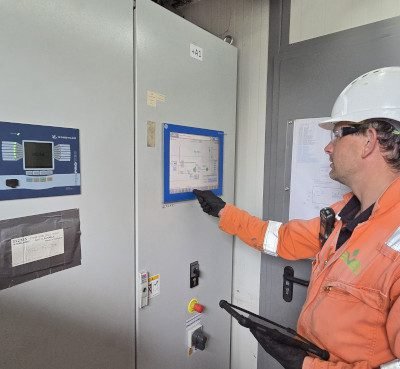
Recording engine readings is one element of maintaining certification. Anaerobic digestion (AD) plants across the UK are raising the bar on compliance and safety through the introduction of Competency Management System (CMS) certification – a standard created by the Energy and Utility Skills (EUS) body and recognised by the Environmental Agency (EA). One group to […]

by
Image credit: Hi I’m Charlie, CC BY 2.0 license. New research seems to have revealed for the first time the full extent of how Artificial Light At Night (ALAN) is increasing carbon released by plants and animals across continents – without any increase in the carbon they absorb. The result is reduced carbon storage in […]

by
New funding for landscape recovery is the centrepiece of the publication (image credit: Marc Barrot, CC BY-NC-ND 2.0 license). The UK government published its revised Environmental Improvement Plan (EIP) on Monday 1 December, presented as a five-year roadmap to tackle the nature and climate crisis, improve public health, and support sustainable growth. It includes significant […]
by
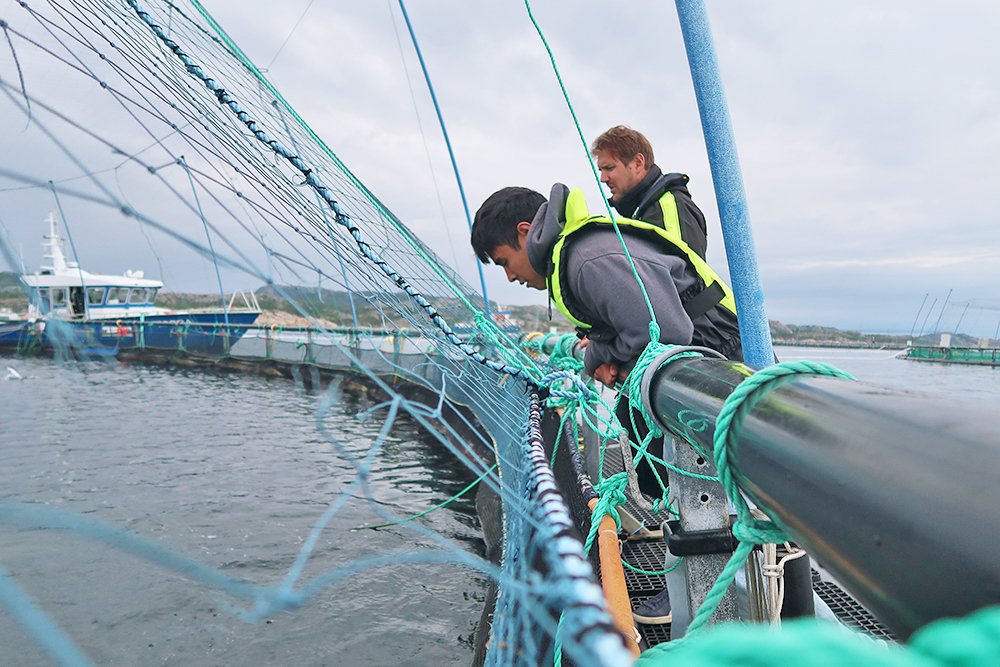
Norway is the world’s largest producer of farmed Atlantic salmon and a top exporter of seafood, while the United States remains the largest importer of these products, according to the Food and Agriculture Organization. Two MIT students recently traveled to Trondheim, Norway to explore the cutting-edge technologies being developed and deployed in offshore aquaculture. Beckett […]
by
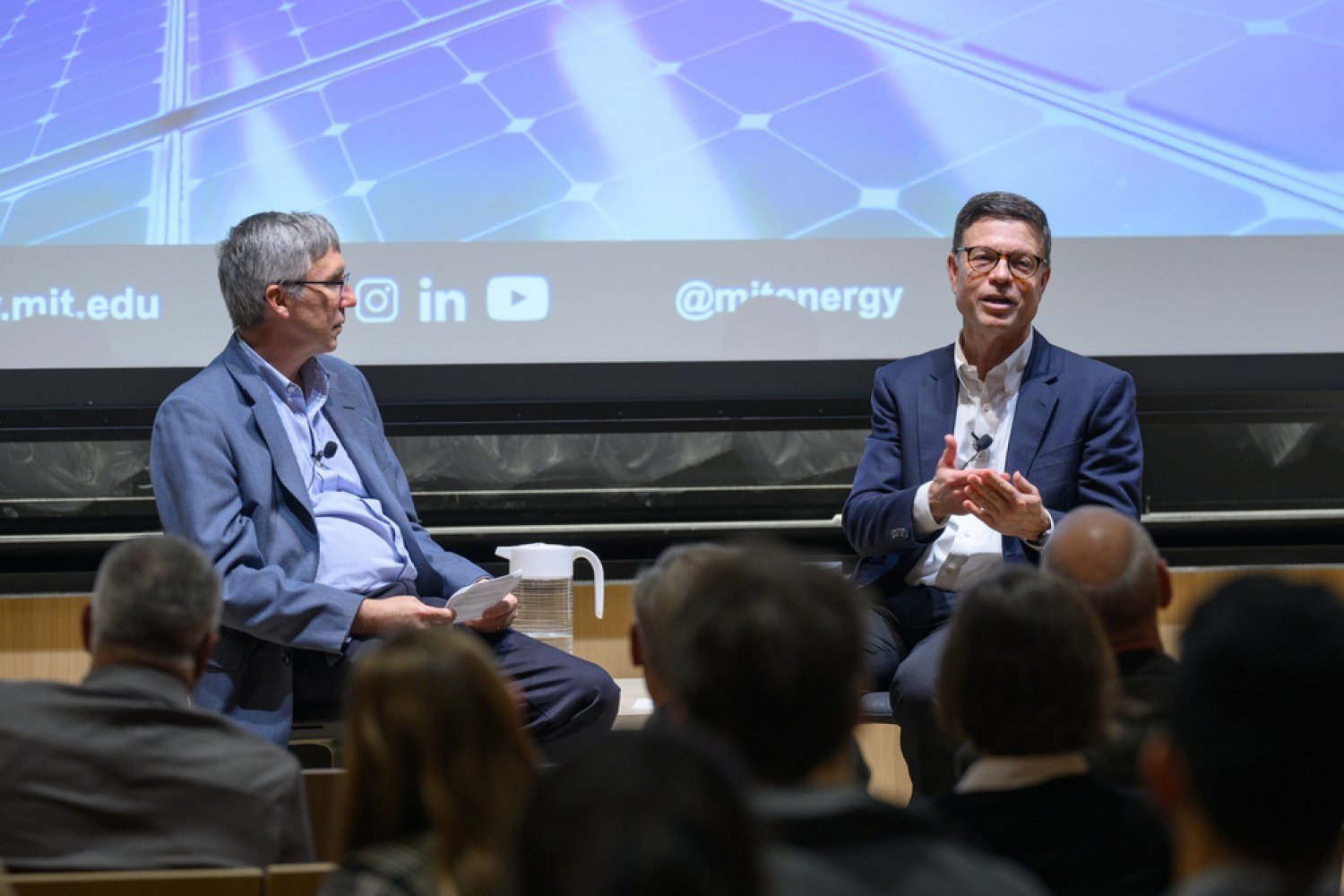
Advancements in battery innovation are transforming both mobility and energy systems alike, according to Kurt Kelty, vice president of battery, propulsion, and sustainability at General Motors (GM). At the MIT Energy Initiative (MITEI) Fall Colloquium, Kelty explored how GM is bringing next-generation battery technologies from lab to commercialization, driving American battery innovation forward. The colloquium […]
by
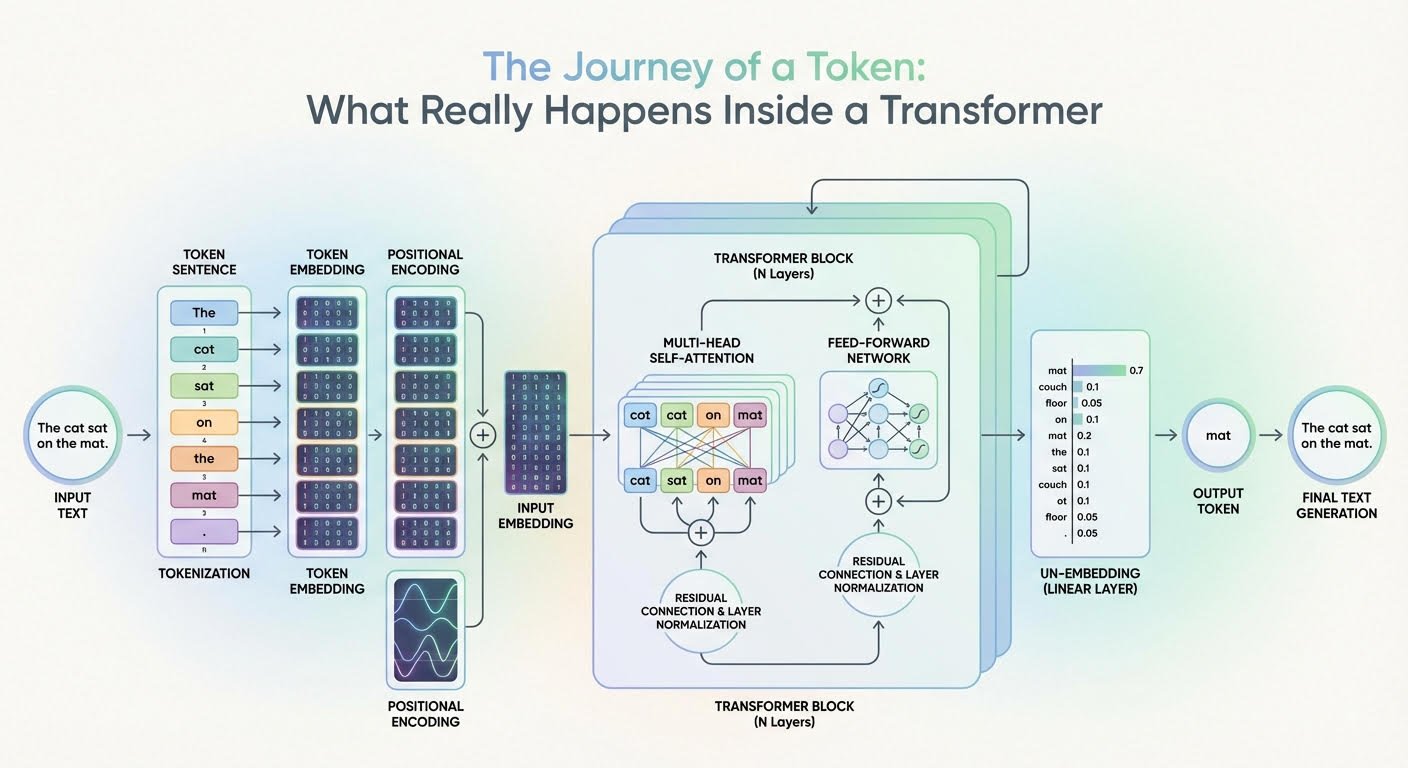
Large language models (LLMs) are based on the transformer architecture, a complex deep neural network whose input is a sequence of token embeddings.

by
“MIT hasn’t just prepared me for the future of work — it’s pushed me to study it. As AI systems become more capable, more of our online activity will be carried out by artificial agents. That raises big questions: How should we design these systems to understand our preferences? What happens when AI begins making […]
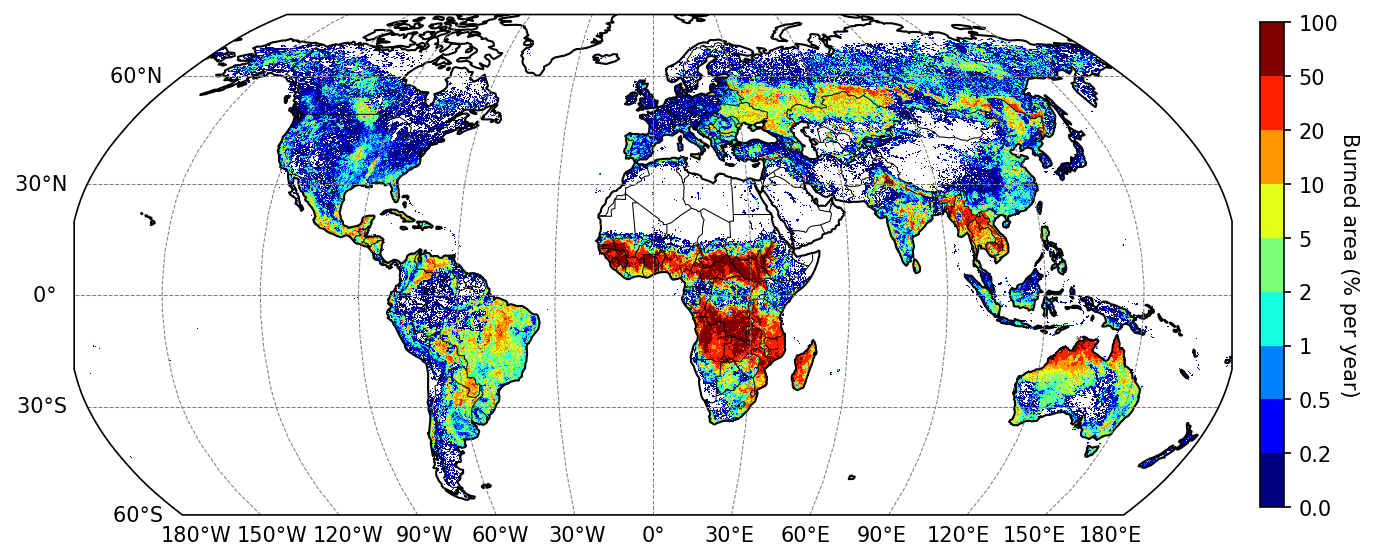
Scientists have long known that fires release substantial amounts of greenhouse gases and pollutants into the atmosphere. However, estimating the total climate impact of fires is challenging. Now, new satellite data has shed fresh light on the complex interplay between the climate and fires in different landscapes around the world. It suggests that global emissions […]
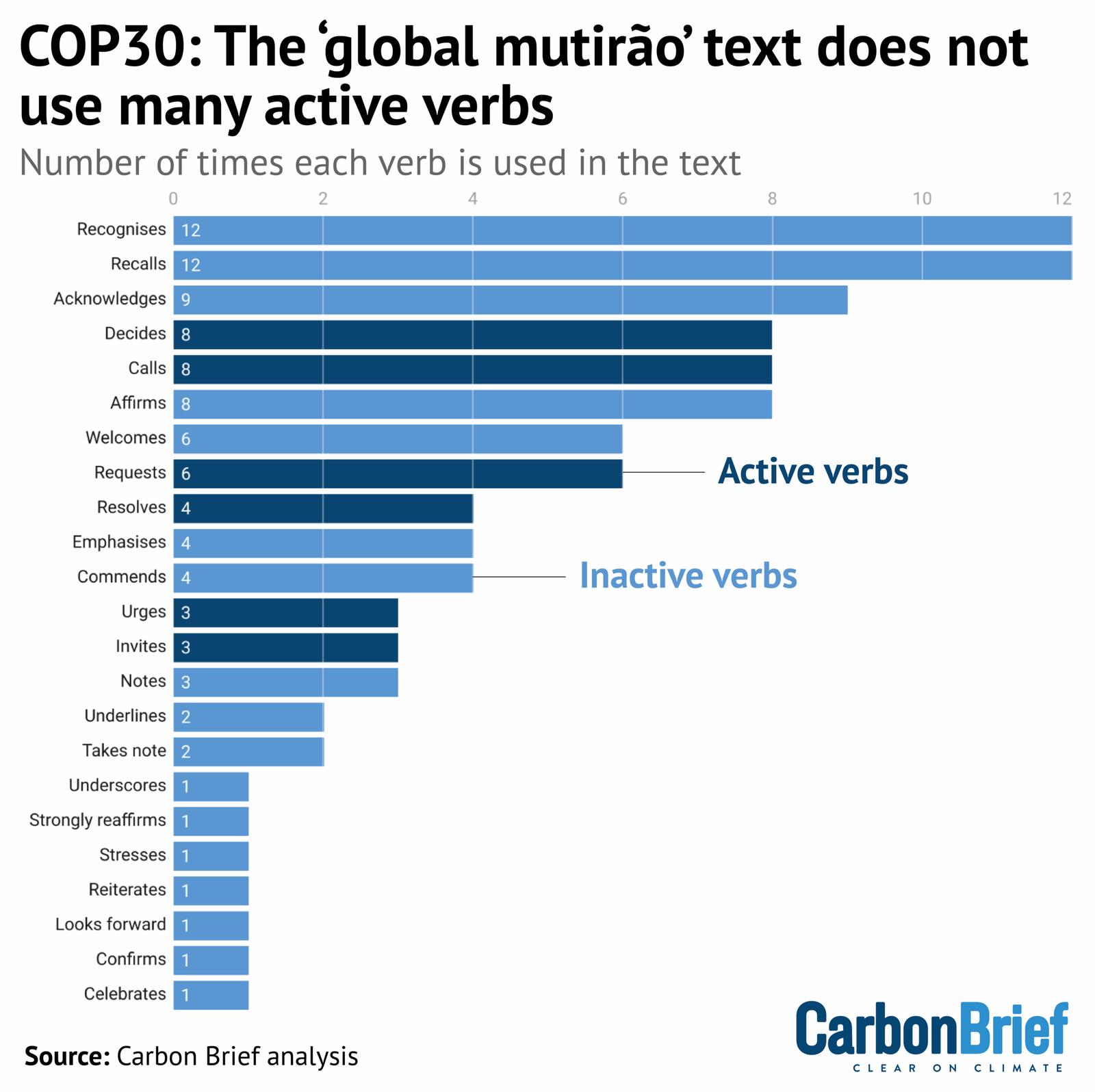
Welcome to Carbon Brief’s DeBriefed. An essential guide to the week’s key developments relating to climate change. This week ‘Lukewarm’ end to COP30 BYE BELÉM: The COP30 climate talks in Belém ended last weekend with countries agreeing on a goal to “triple” adaptation finance by 2035 and efforts to “strengthen” climate plans, Climate Home News reported. […]
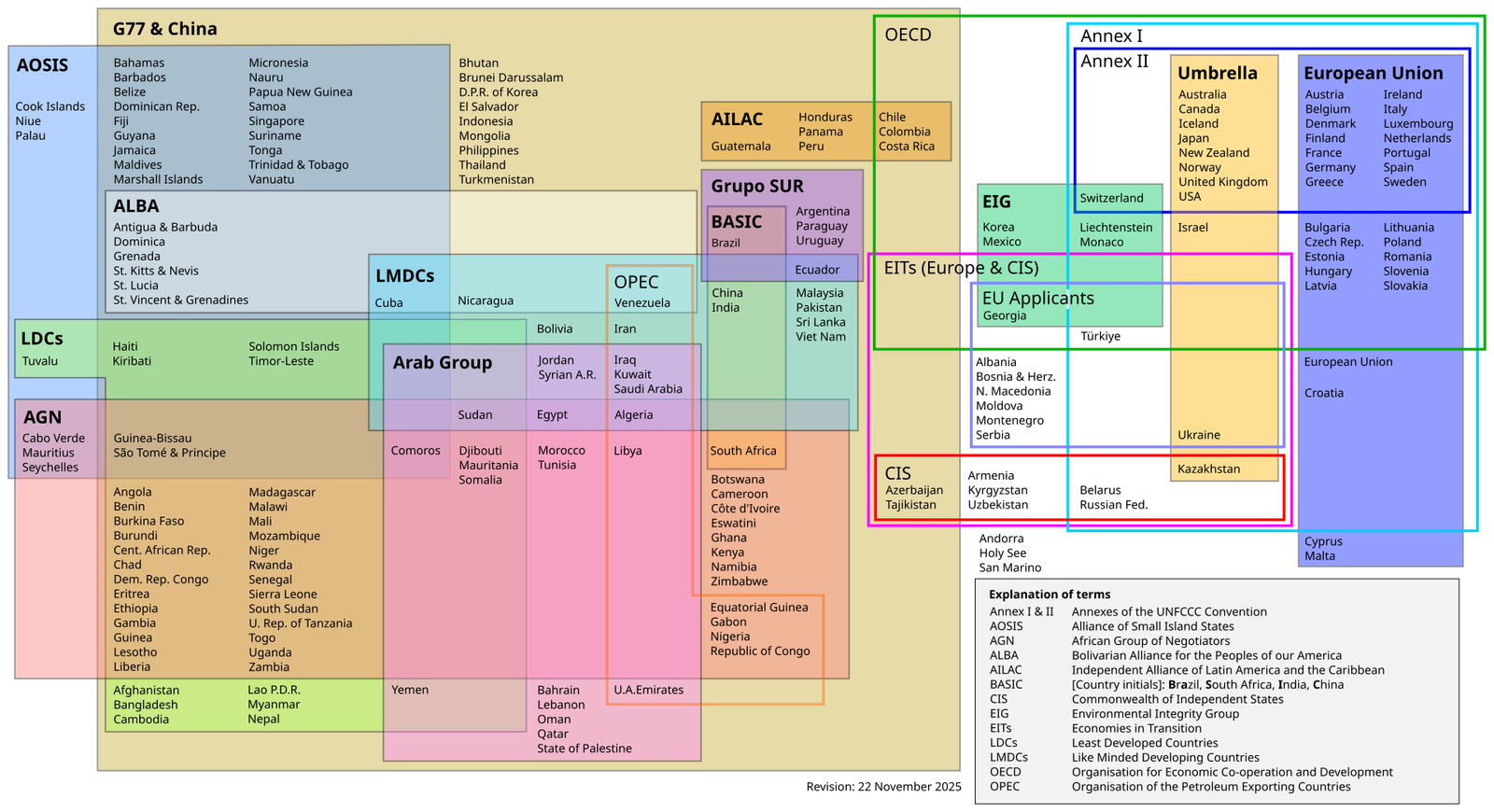
A confused – and, at times, contradictory – story has emerged about precisely which countries and negotiating blocs were opposed to a much-discussed “roadmap” deal at COP30 on “transitioning away from fossil fuels”. Carbon Brief has obtained a leaked copy of the 84-strong “informal list” of countries that, as a group, were characterised across multiple […]

by
One year on: Rachel Reeves in 2024 (image credit: Fred Duval / Shutterstock). Observers in sectors such as waste, energy and construction responded to Rachel Reeves’ Autumn Budget, delivered on 26 November. The statement talked much about growth but seemed to offer little to fund it. The main headline-grabber was a £150 cut to the […]

Welcome to Carbon Brief’s China Briefing. China Briefing handpicks and explains the most important climate and energy stories from China over the past fortnight. Subscribe for free here. Key developments China called for ‘strengthened’ climate cooperation ‘URGENT ACTION’: As the COP30 climate talks in Brazil drew to a close (see today’s spotlight below), world leaders gathered […]
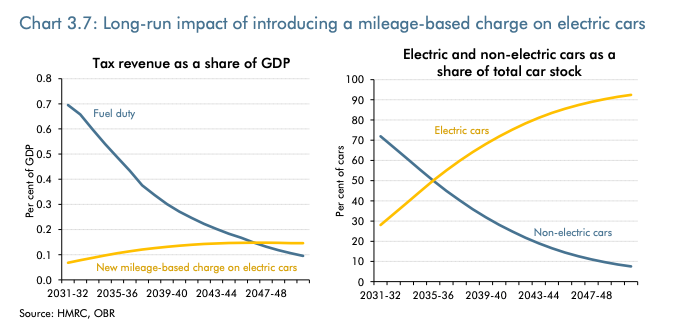
UK chancellor Rachel Reeves has announced new measures to cut energy bills alongside a “pay-per-mile” electric-vehicle levy as part of Labour’s second budget. The policy changes are expected to cut typical household bills by around £134 per year, amid intense political scrutiny of energy prices and a government pledge to reduce them. This cut is […]

The COP30 climate summit – held in the city of Belém, on the edge of the Amazon rainforest – saw the Brazilian presidency launch a new forest fund and promise a “roadmap” to put an end to deforestation. Almost every country in the world signed off on a final COP30 package called the “global mutirão” […]

by
A 3d illustration of the Hinkley Point C nuclear plant, currently under construction (image credit: gov.uk, OGL) A statement from Mark Lloyd, Chief Executive of The Rivers Trust Yesterday [(25 November)], several prominent newspapers published articles quoting a government-commissioned report into the spiralling costs of EDF’s Hinkley Point C nuclear power station. These articles focused […]

by
Ofwat announced its inaugural Water Efficiency Lab (‘WEL 1’) on 25 November. The £25 million challenge-led competition is intended to unlock and scale innovations that reduce water use across England and Wales. The first year of the competition, offering £5 million in total funding and up to £1.5 million for individual projects, is inviting innovators […]

by
Stronger legal duties on regional leaders to tackle air pollution and other environmental risks are set to be introduced after the Government approved a key amendment to the English Devolution and Community Empowerment Bill. The Bill, introduced in July, aims to shift decision-making power away from central government and towards local and regional bodies in […]
by
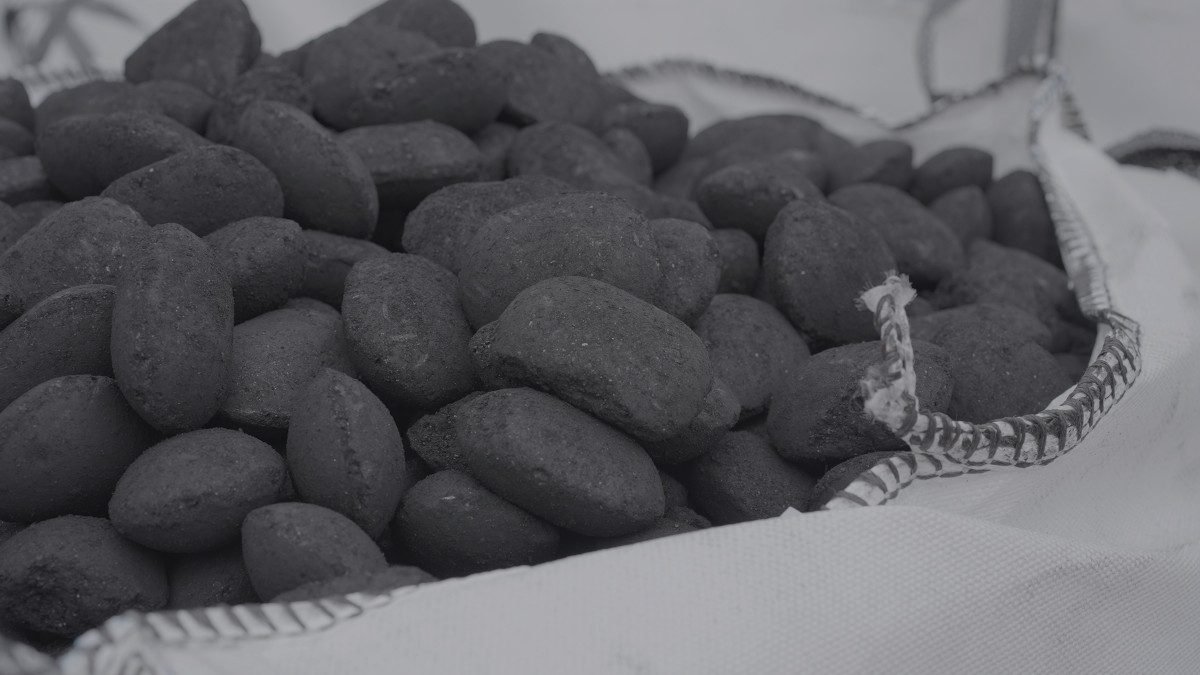
This article contains sponsored content. Homefire and ecoke, two pioneering brands under the Invica Industries portfolio, have officially been awarded the Made in Britain trademark, recognising their commitment to sustainable manufacturing, innovation, and the strength of British industry. The accreditation celebrates the fact that both ecoke, a reduced carbon alternative for industrial processing and production, […]