
Offshore wind expert RWE says it has successfully recycled major components from a fire-damaged offshore wind turbine, marking what the group claims is a significant step forward in circular practices within the UK’s renewable energy sector.
RWE is “giving a second wind” to deconstructed components from a turbine at its Scroby Sands Offshore Wind Farm, one of the UK’s earliest renewable energy projects and located 2.5 km off the Norfolk coast.
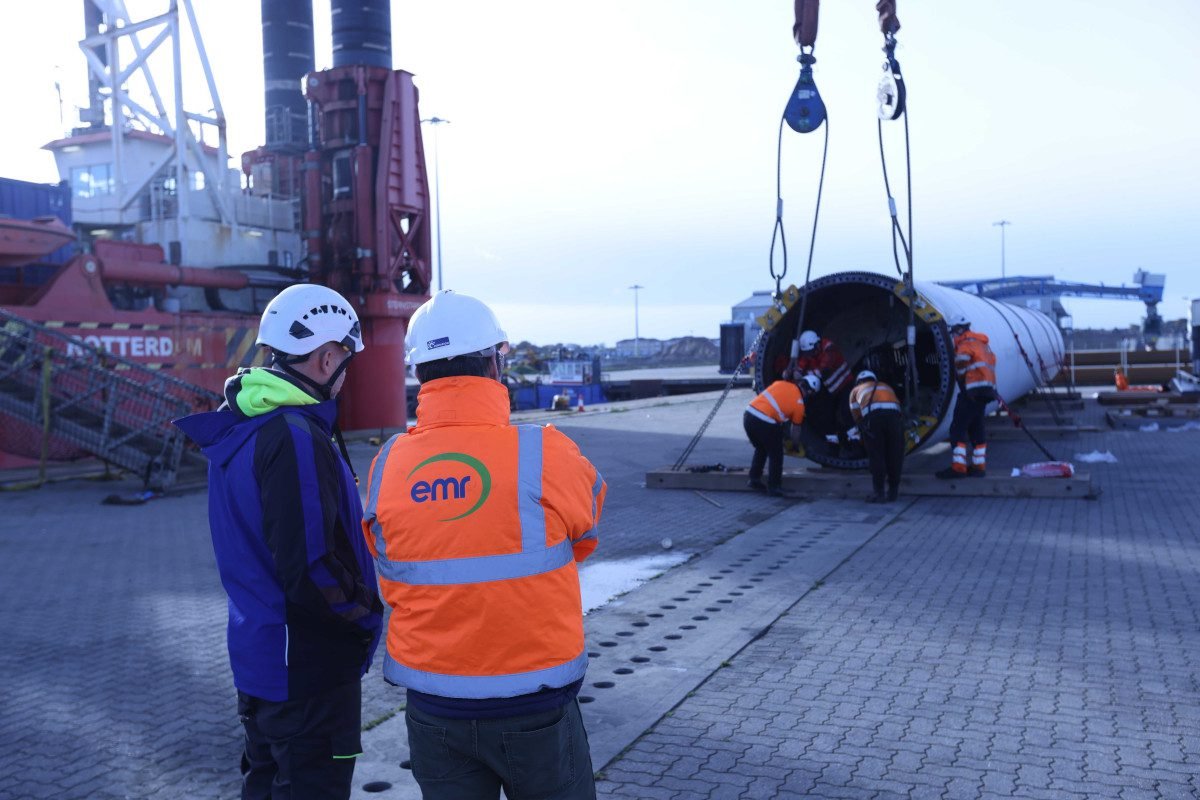
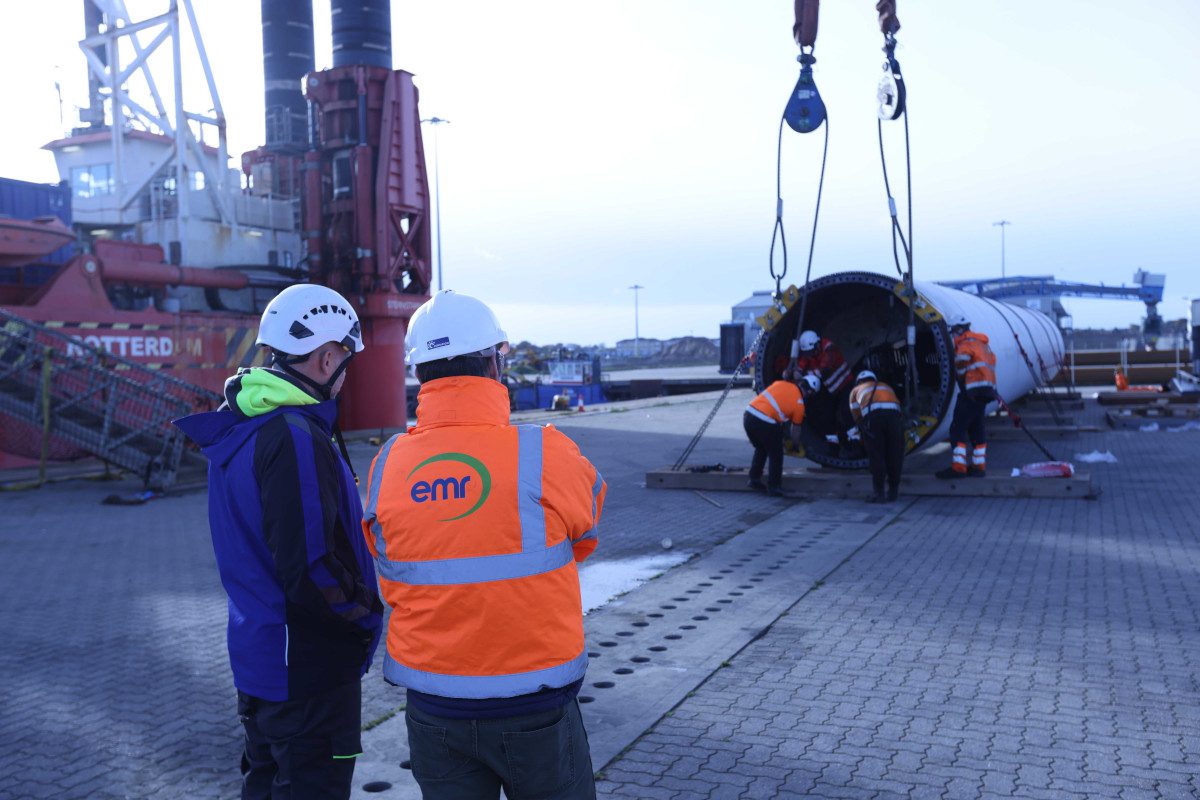
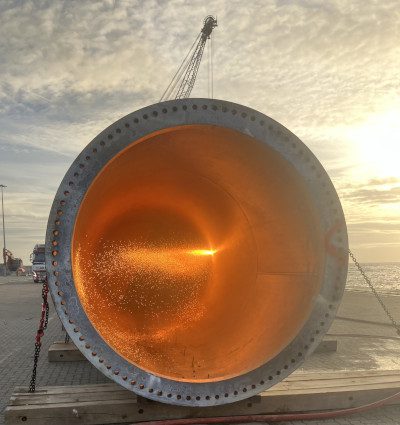
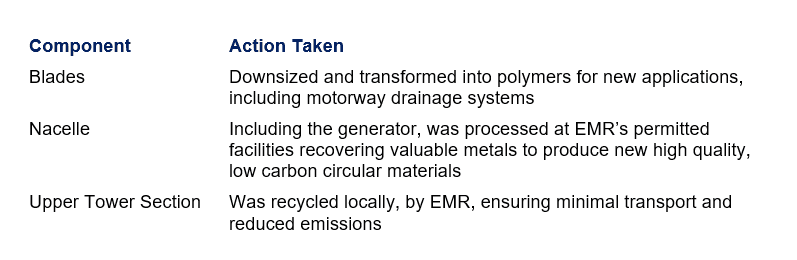
The nacelle, blades and top section of the turbine were damaged to varying degrees by fire in August 2023. The components have since been deconstructed and were transferred to EMR, a UK based specialist in circular materials for recovery and recycling in its nearby facilities at Great Yarmouth and Lenwade.
As a result, over 140 tonnes of metals, composites, and other materials have since been recovered and have effectively entered the UK circular economy. “This reduces reliance on newly imported resources from volatile supply chains, supports RWE’s commitment to improving circularity and waste reduction, and contributes to low-carbon secondary material markets,” said the group.
Volker Türk, RWE Offshore Head of Sustainability, said he was “delighted with these early indications of what can be achieved through recycling and reuse.
“As early operational wind farms come to the end of their working life, we are applying the same level of innovation and responsibility to how we handle recovered turbine components. Through EMR, we have ensured that these turbine components are returned to the economy not landfill, while supporting local industry in Norfolk.”
EMR said the project demonstrates how older turbine components can be responsibly deconstructed and recycled, achieving an overall recycling rate of over 99%, recovering steel, aluminium, copper, and blade composites while avoiding over 150 tonnes of CO₂e emissions compared to primary material production.
How was it done?
Bill Firth, EMR General Manager of Business Development, added: “Scroby Sands Offshore Wind Farm helped kickstart the UK’s offshore wind journey. By responsibly recycling components and materials today, we’re helping power tomorrow. This vital collaboration between renewables and recycling industries demonstrates the required circular supply chains that future energy systems will depend on.
“This project is part of EMR’s long-term investment to build a scalable recycling system for the renewable infrastructure of the future. In 2024, we opened a purpose-built Wind Turbine Processing Centre in Glasgow, designed specifically to recover rare-earth magnets and other critical materials from end-of-life turbines.”
As wind farms age, responsible de-construction and recycling will become increasingly important. RWE said it is already leading the way with recyclable turbine rotor blades on its latest offshore projects, including at the 1.4 gigawatts (GW) Sofia Offshore Wind Farm. The company supports the European initiative for a voluntary landfill ban on turbine blades, both onshore and offshore, and is committed to the sustainable reuse, recovery, or recycling of these components.