

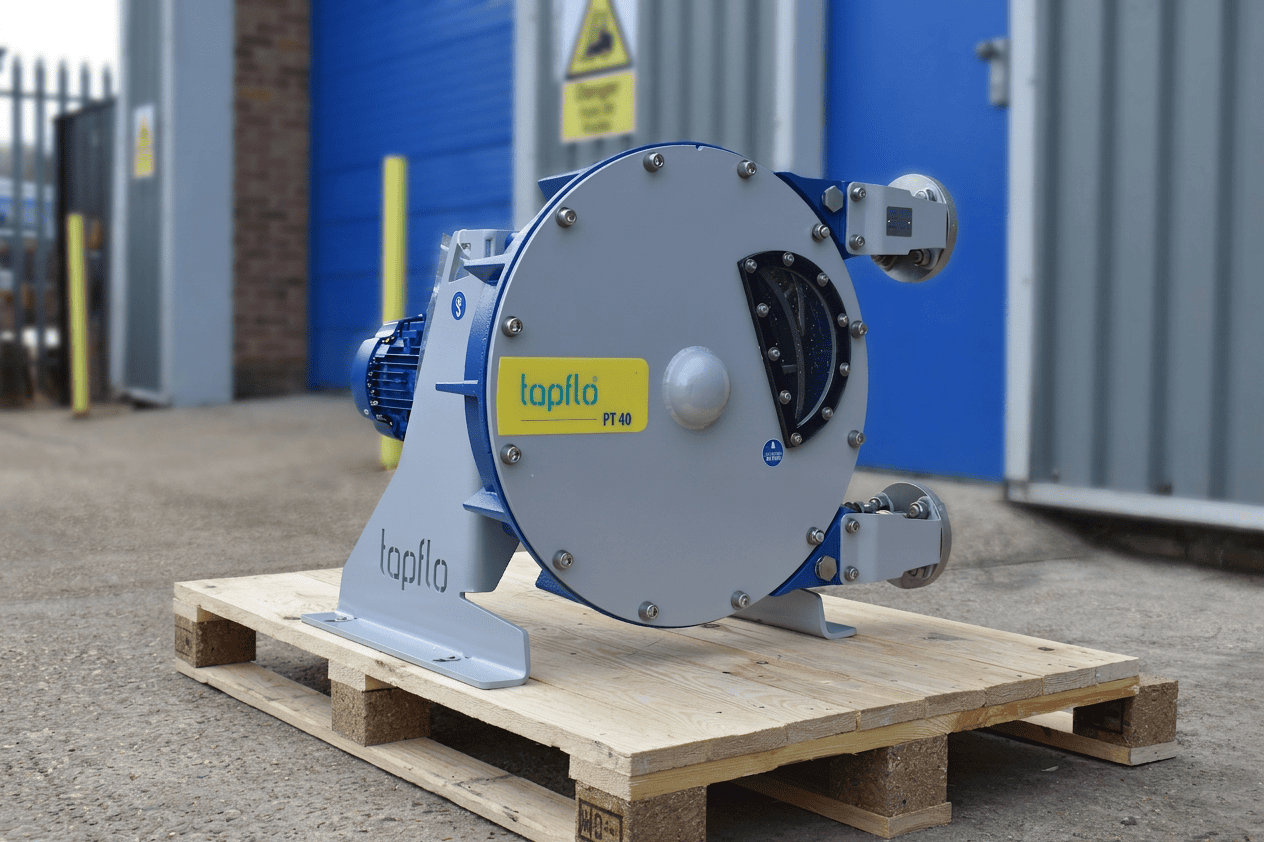
Hose monitoring and leak detection can improve the reliability of peristaltic pumps used in chemical dosing applications. Pump manufacturer Tapflo UK explains how.
As water companies invest in treatment upgrades and face growing scrutiny of asset performance, the reliability of chemical dosing systems is receiving renewed attention. Peristaltic pumps are widely used for handling aggressive and shear-sensitive fluids, but their hoses are consumable components whose deterioration can lead to leakage, process interruptions and unplanned maintenance. Monitoring systems can help operators detect failures quickly and plan replacements before problems escalate.
Much of that work depends on chemical dosing, and on dosing lines, one of the most predictable failure points is inside the pump.
Why peristaltic pumps suit water treatment chemicals
Water treatment chemicals can be demanding on conventional pump components. Coagulants used for phosphorus removal are highly corrosive in pumps with check valves; sodium hypochlorite can emit gas and cause vapour locking, while polymer flocculants used in sludge thickening can be broken down by high shear.
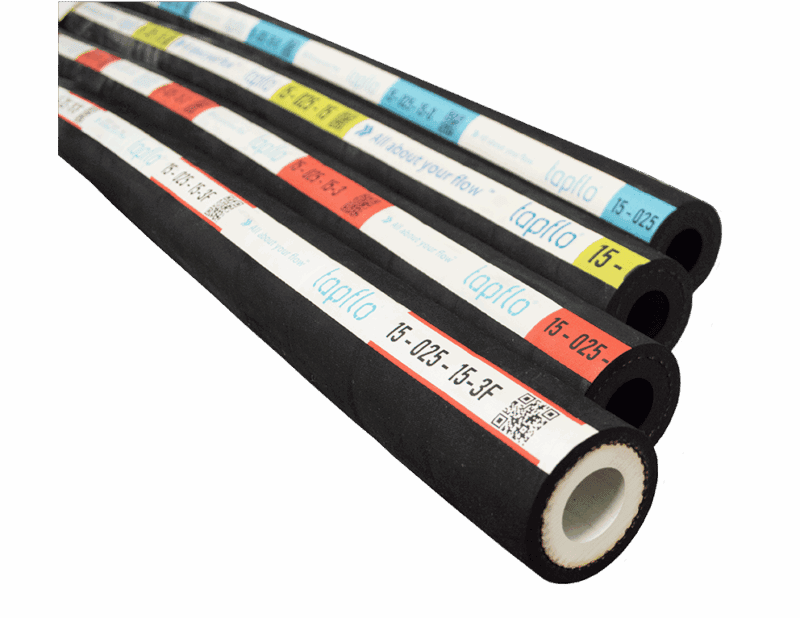
A Peristaltic Pump is ideal for these applications, as the hose is the only part in contact with the fluid, and it is also the part designed to wear. How a site detects and manages that wear decides whether a hose failure is a planned maintenance job or a spill.
The sealless Peristaltic design avoids many of these issues because the fluid contacts only the inside of the hose. With no mechanical seal to attack and no valves to clog, the pump can reliably handle aggressive and challenging fluids. The gentle squeezing action also helps preserve polymer structure, while self-priming and dry-run capabilities add flexibility when tanks run low.
Removing the seal and valves leaves one wear part: the hose. That makes it the part worth monitoring.
From reactive maintenance to proactive monitoring
Monitoring the Hose: The earlier you detect a hose failure, the smaller the consequences. This is where hose leak detection can turn containment into active monitoring. A Hose Leak Detector fitted within the pump detects liquid when a hose ruptures and automatically stops the pump. By identifying a failure at the source, operators can respond before a leak becomes a wider hazard or disrupts the process.
A Revolution Counter takes a similar preventative approach to hose maintenance. Connected to a control cabinet, it counts the pump’s revolutions and uses the pump’s volume per revolution to calculate and batch dosing volumes. An optional digital display shows pump speed and capacity. This can support dosing traceability and planned hose replacement, helping operators avoid waiting for a worn hose to fail before acting.
Reducing stress on the System: A similar preventative approach is to use accessories that reduce the stress on the whole system. Tapflo’s DPT Pulsation Dampeners reduce mechanical stress across the wider pumping system by lessening system pulsation, vibration and hydraulic hammering by up to 80%. For Peristaltic installations, this protects associated pipework and instrumentation while supporting smoother, more controlled operation.
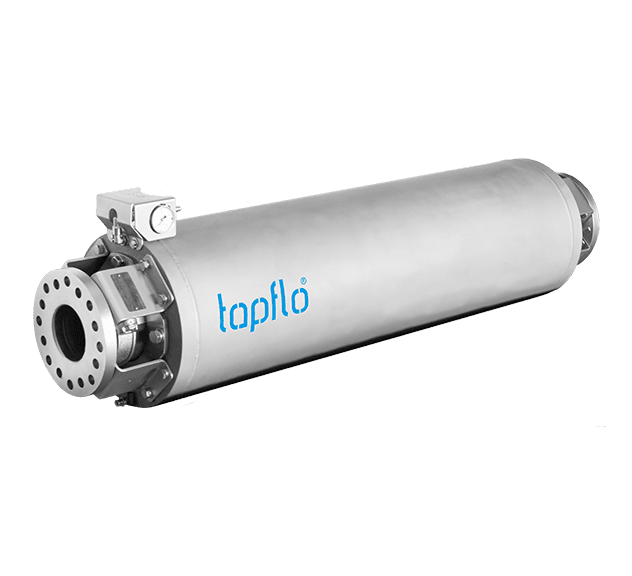
With viscous sludge or when the pump works against a negative suction lift, the hose can be slow to return to shape after compression, reducing capacity and efficiency. A Vacuum System lowers the pressure inside the pump casing, so the hose reopens faster and output stays consistent.
What an undetected rupture costs
Pumping equipment costs aren’t limited to the initial purchase price, and the cost of a hose failure rarely stops at the hose. An undetected rupture means lost chemical, a clean-up and often an unplanned callout to a site nobody was due to visit that day.
Most hose failures won’t leave the site, but the longer a rupture goes unnoticed, and the further the fluid travels, the bigger the job becomes and the consequences become regulatory. Stopping the pump the moment the hose fails limits how much fluid escapes and turns a potential large clean-up into a routine hose change.
Specifying monitoring from day one
As operators face closer scrutiny of asset condition and environmental performance, monitoring must be part of the pump specification, not an afterthought.
Peristaltic Pumps, along with their functional accessories, ensure monitoring from day one and give the operator a record of control.