
The UK must urgently accelerate climate adaptation measures and invest in new skills and training across the economy to cope with rising risks from heatwaves, flooding and drought, according to the Climate Change Committee’s latest assessment and industry leaders.
In the new report, A Well-Adapted UK, the Climate Change Committee (CCC) warns that climate change is already “undermining the UK’s security and prosperity” and that the country remains dangerously underprepared for worsening climate impacts.
The report, published on 20 May, identifies overheating, flood risk and water shortages as the most urgent adaptation challenges facing the UK as global temperatures head towards around 2°C of warming by 2050.
The CCC estimates that around £11 billion a year of public and private investment will be required to prepare the UK for future climate conditions, with cooling measures, flood protection and water management accounting for most of the known investment needs.
The committee warned that without further action, “92% of existing homes” could overheat by mid-century, peak river flows could increase by up to 45%, and water supply shortfalls could exceed five billion litres per day.
Baroness Brown of Cambridge, chair of the CCC’s Adaptation Committee, said the UK had made little meaningful progress on adaptation since the Climate Change Act was passed almost 20 years ago.
“We are already experiencing disruption and damage from the rapidly increasing risks from climate change in the UK today,” she wrote in the report’s foreword. “These risks are not only eroding our cliffs, but also the fundamentals of our health system, our insurance sector, and our children’s schooling.”
She added: “What governments have been doing on adaptation clearly isn’t working. It is time for change.”
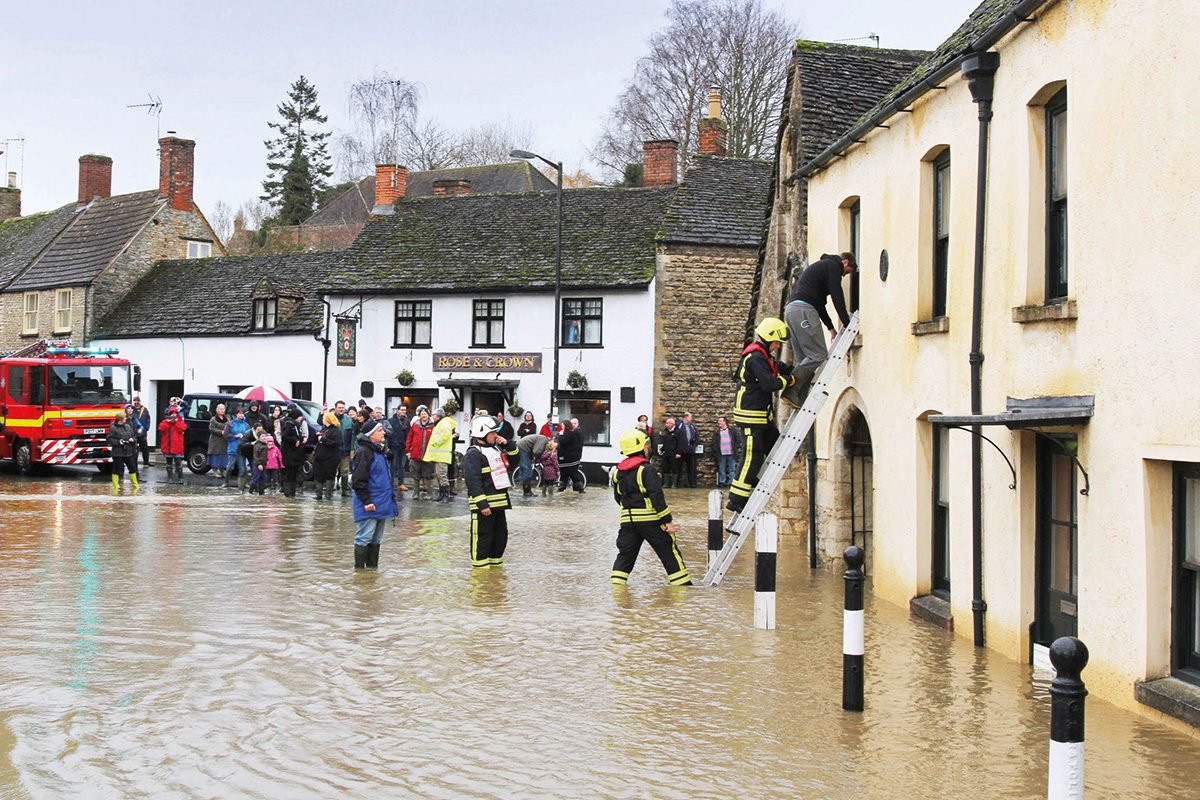
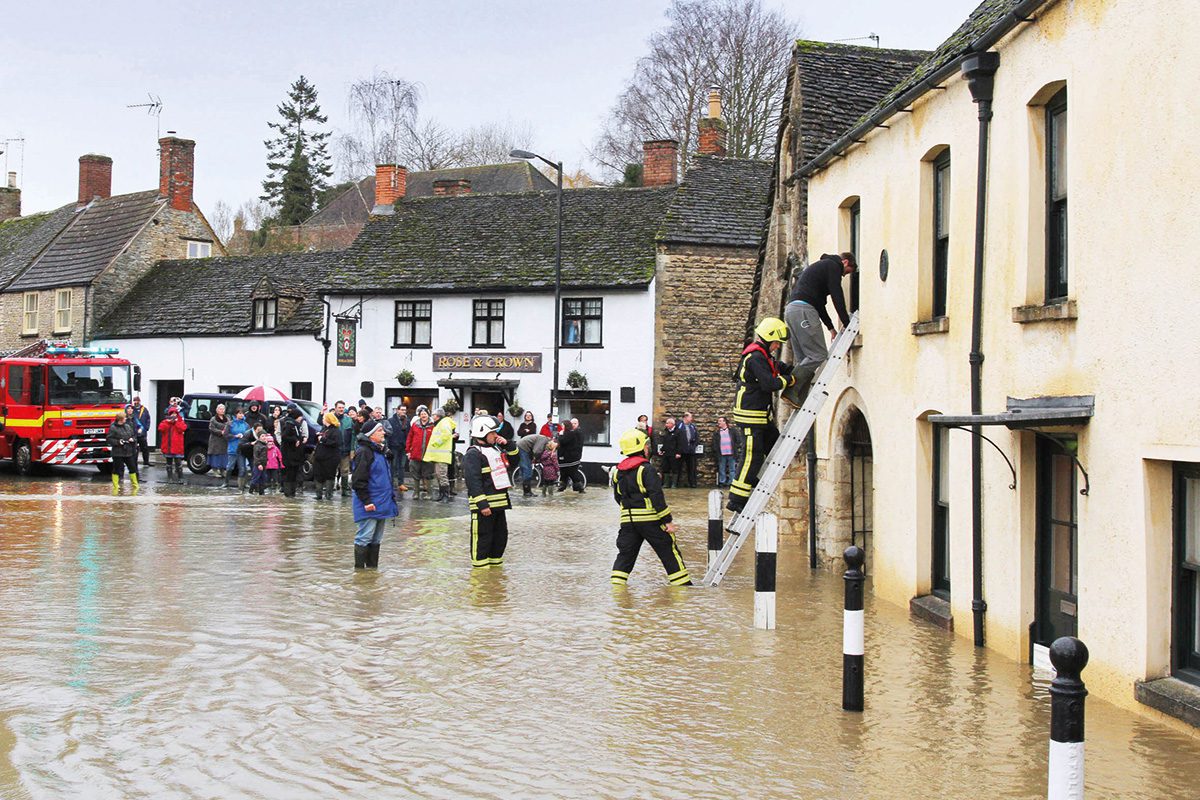
The report highlights a series of recent extreme weather events as evidence that climate impacts are already escalating, including the record-breaking 40°C temperatures of summer 2022, severe flooding during the winter of 2023-24 and the UK’s “most destructive wildfire season ever recorded” in 2025.
The CCC said adaptation measures already available today could significantly reduce risks if deployed quickly and at sufficient scale. These include active and passive cooling measures in homes and public buildings, increased flood defences, sustainable drainage systems, property-level flood resilience and expanded water storage infrastructure.
Alongside infrastructure investment, professional bodies and industry groups said the report underlined the urgent need to strengthen climate skills and expertise across the economy.
Sarah Mukherjee, chief executive of the Institute of Sustainability and Environmental Professionals (ISEP), said: “We need urgent action to futureproof our economy and protect the public from the impacts of climate change, which are already being felt and will only increase. Action cannot wait – this report is essential reading for businesses that are looking to manage climate risks in the near and long term. Excess heat, for instance, can cause serious impacts on employee health, productivity and could possibly expose employers to future claims of negligence.”
She added: “To unlock action at scale, it is essential that we improve skills and capabilities across the economy to respond to a rapidly changing environment, alongside the necessary investments, policies, and regulations. The right expertise will support communities in areas that are needed to transform, such as farming, and it will enable implementation to occur at the rate we desperately need in order to avoid significant impacts.”
Mukherjee said ISEP would shortly publish guidance to help businesses manage climate-related risks.
The CCC warned that adaptation policy across the UK remains fragmented and inadequate. The report states that existing national adaptation frameworks are “not fit for purpose” and calls for clearer targets, stronger governance and better coordination between government, infrastructure operators, businesses and households.
The committee also stressed that adaptation should now be treated as a national security priority.
“Keeping people secure is a fundamental duty of the State,” the report says. “This is already being compromised by climate change. Adapting to climate change needs the same level of focus and commitment as geopolitical and other security threats.”
Jo Wheeler, co-head of policy and places at UKGBC, said: “The CCC has made the challenge plain: the UK must adapt faster or face mounting threats to people, places and the economy. UKGBC’s Climate Resilience Roadmap shows how that shift can be made in practice, with joined-up action across the built environment and government. The challenge is serious, but it is not beyond us if we choose to act now.”