
A closed-loop recycling scheme that converts used paper hand towels into new tissue products has expanded significantly across UK workplaces, as businesses seek more measurable ways to reduce waste and support circular economy targets.
Hygiene and health company Essity said its Tork PaperCircle service grew by 33% in customer numbers during 2025, while the volume of paper towels collected and recycled rose by 67% to more than 100 million hand towels annually.
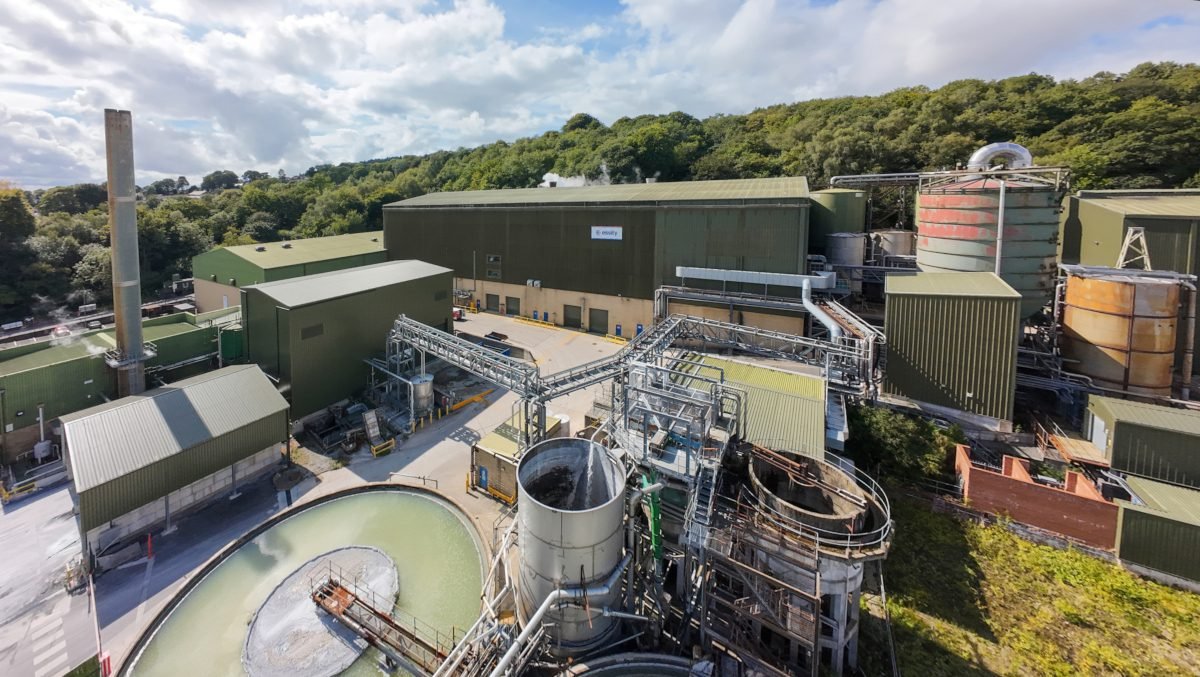
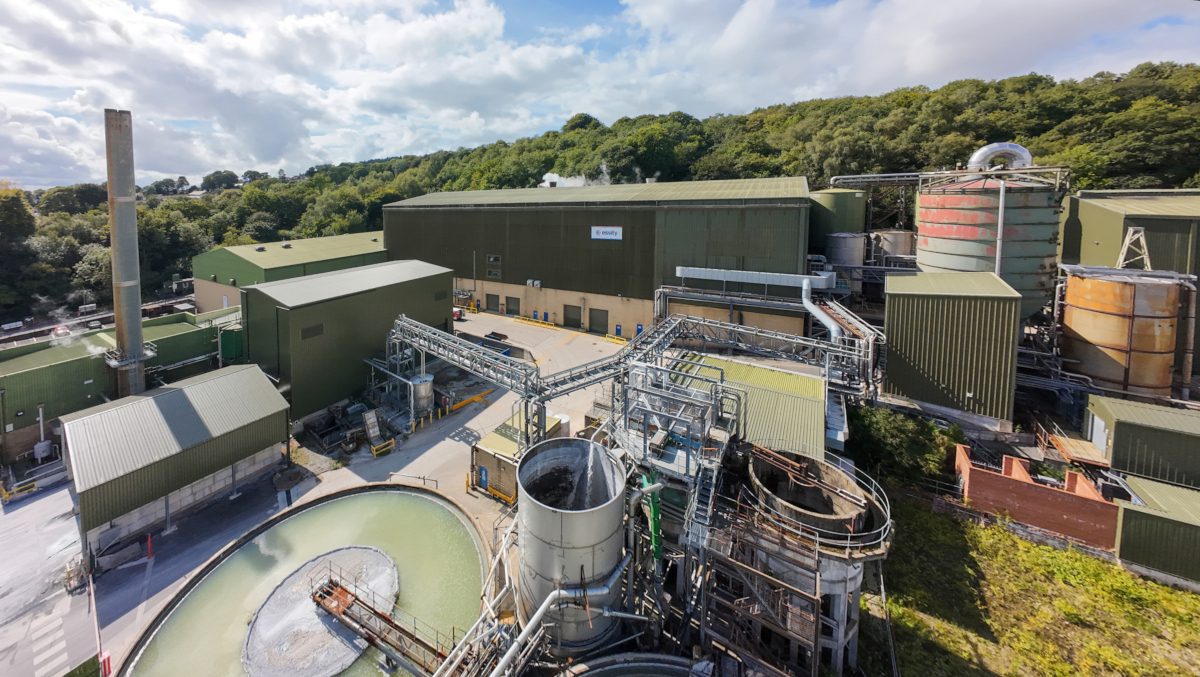
The service, which the company describes as the world’s first closed-loop recycling system for paper hand towels, collects used washroom towels from participating workplaces and returns them to Essity’s mill in Lancashire, where they are recycled into new tissue products.
The growth reflects increasing interest among businesses and commercial property operators in practical circular economy systems that can be integrated into day-to-day operations and sustainability reporting.
Washroom paper towels have traditionally been difficult to recycle because of contamination after use, meaning large volumes are often sent for disposal rather than reprocessed into new materials.
According to Essity, the Tork PaperCircle system is designed to keep fibre in use for longer and reduce waste generation by creating a dedicated recovery and remanufacturing route for used paper towels.
Among the organisations expanding the scheme is 3 Hardman Square, a 16-storey office building in Manchester’s Spinningfields district, which introduced the service as part of a wider sustainability strategy.
Since adopting the system in February 2024, the building has recycled around 3,000kg of paper hand towels through the scheme, which Essity said was equivalent to saving up to 1,000kg of CO₂.
The Stubbins facility supplies recycled hand towels, toilet tissue and napkins to businesses across the UK and Ireland. Essity said the site is the only one in the UK capable of recycling both takeaway drink cups and used paper towels into new tissue products.
All tissue products manufactured at the facility are produced from 100% recycled fibre, while wastewater is treated and non-recyclable by-products are repurposed for uses including animal bedding.
Craig Armstrong, key account manager for Tork PaperCircle at Essity, said: “We’re seeing more organisations look for practical circular solutions that can be implemented and reported against sustainability targets. The growth of Tork PaperCircle shows that closed-loop systems are moving beyond pilots and into business-as-usual – helping teams reduce waste and support wider carbon ambitions.”
The company said the increase in participation reflects a wider shift among organisations moving from small-scale sustainability trials toward broader operational adoption of circular waste systems across multiple sites.
Mark Jackson, operations manager at Essity’s Stubbins mill, said: “It’s great to see more customers move beyond treating used material as waste and start using it as a resource. In the past year, what’s really changed is scale – businesses are rolling this out across sites, not just trialling it – which is a great step forward for circular manufacturing.”
The expansion forms part of Essity’s wider sustainability strategy, which includes targets to achieve net zero emissions by 2050 and recover all production waste by 2030.