
Prisons will only close the gap on their recycling targets when they can see what is in their waste, where it comes from and where its value is being lost. Or so says waste technology firm The Green Block, following HMPPS’s latest annual report, which shows the prison and probation estate falling short of both its recycling and waste reduction targets.
HMPPS’s 2025-26 Annual Report and Accounts, published on 29 October, shows that the estate recycled or reused 57% of its waste against a 70% target, and cut overall waste by just 1% from the 2017-18 baseline, against a 15% target. Only 3% went to landfill, comfortably inside the under-5% target.
For Adam Williams, Managing Director of The Green Block, the figures point to one underlying issue: visibility. “Prisons have proved they can keep waste out of landfill. The next step is recovering its value,” he says. “You can’t improve what you can’t see. It is not possible to close a 13-point recycling gap with more bins or change of contractor. You close it by processing waste at its point of production and measuring every stage from thereon in.”
Few environments in the public estate are as closely monitored as a prison. Every movement is logged and every vehicle at the gate is searched. Waste management, however, can present a different picture. Bins are filled; contractors empty them and the material leaves site. What happens next, and the opportunities for recovering additional value, may receive less scrutiny. While much of the waste that is not recycled or reused is diverted from landfill through energy recovery, better data could help identify materials that might instead be recovered for recycling.
The biggest challenge, Williams argues, is not collection but visibility. Waste contracts may measure tonnes collected alongside a handful of service-level indicators. That says a lot about the contractor and potentially much less about the prison. It may not show which wings, kitchens or workshops generate the most residual waste, where contamination is undermining recycling, or which interventions have made a measurable difference.
Without that evidence, improving performance becomes more difficult. You cannot reduce what you cannot see.
A single prison can include residential wings, kitchens, workshops, healthcare, education and visits halls, each with a different waste profile. There is also a continuous churn of people, meaning messaging has to be communicated repeatedly. Security compliance adds another layer of complexity.
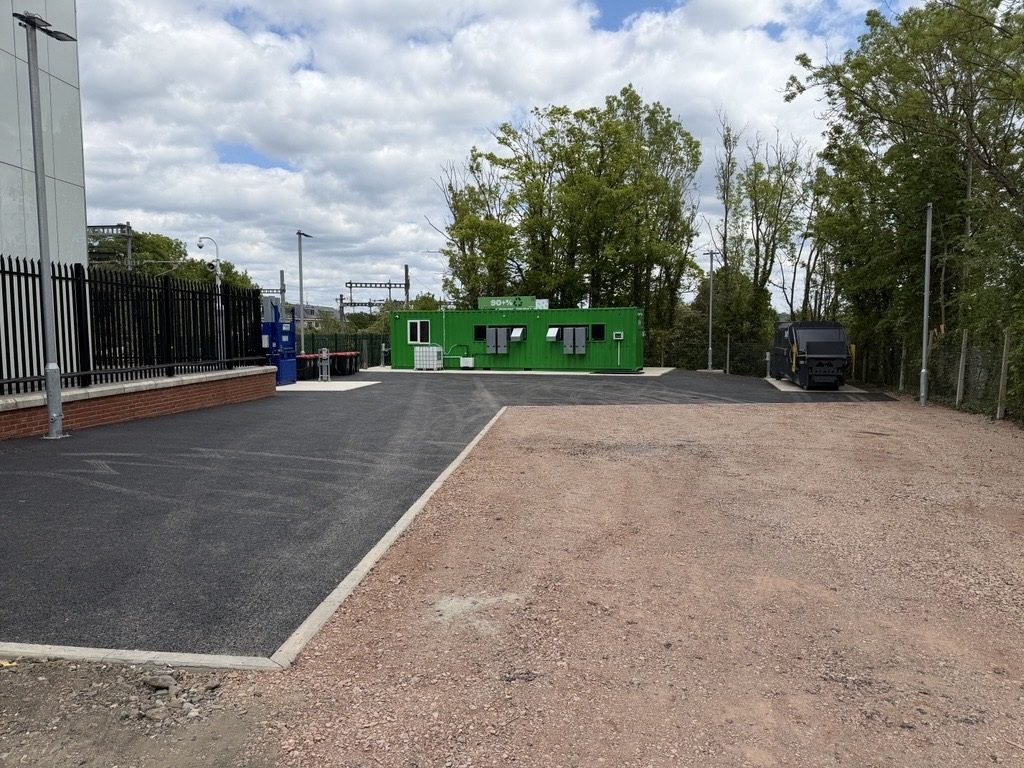
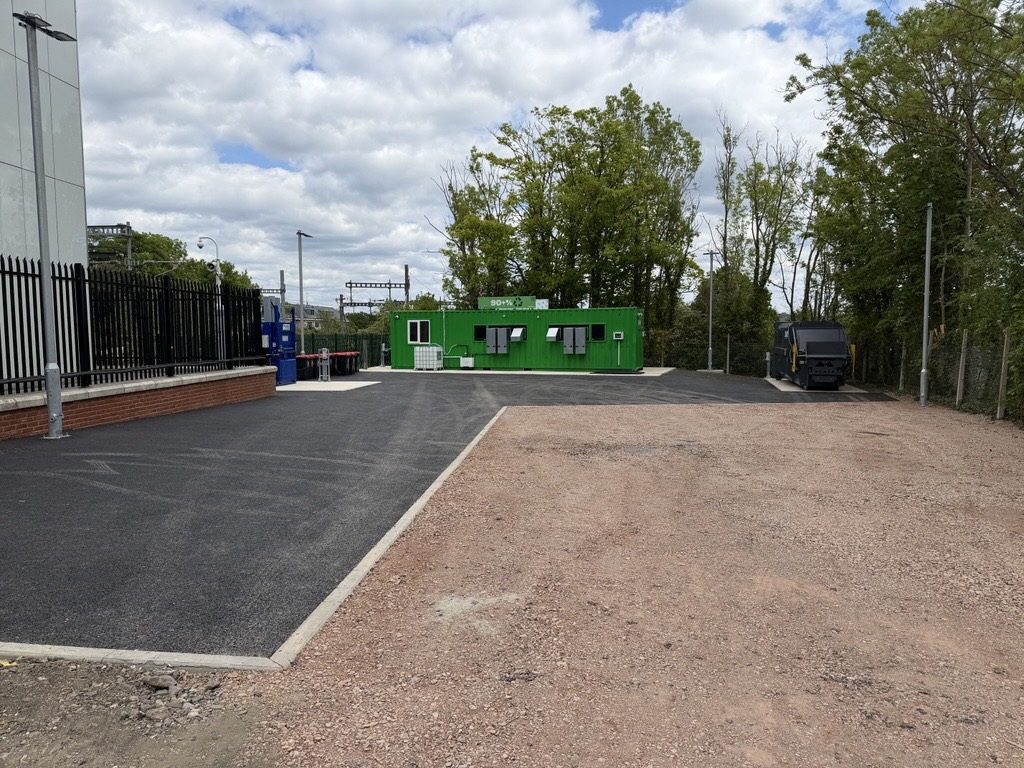
One approach advocated by The Green Block is to process and monitor waste closer to its point of production. Its Mobile Segregation Unit (MSU), a mobile materials recovery facility, is designed to process mixed waste on site, potentially reducing the need for off-site transport and processing. In a prison, that could also mean fewer loads passing through the gate, although the suitability of such an arrangement would depend on operational and security requirements.
The company says its MSU can achieve recycling rates exceeding 90%, while its Plaza digital platform provides tracking, compliance reporting and insight into waste flows. A QR-coded Pay As You Throw system is designed to make waste traceable to individual locations or teams, potentially helping to identify where changes in practice could improve performance.
The Green Block reports experience of this approach in environments including major London railway stations, Birmingham Airport, London Stansted Airport, NHS facilities and retail and leisure destinations. Across its operations, the company claims to have improved recycling performance from approximately 11% to an average of 91.3%, alongside reductions in vehicle movements and associated carbon emissions.
From good practice to legal expectation
Regulation is also placing greater emphasis on waste separation and traceability. Since 31 March 2025, Simpler Recycling requirements have applied to most workplaces in England, requiring the separate collection of food waste, dry recyclables and residual waste, subject to the applicable provisions. Since 1 October 2026, permitted waste receiving sites in England and Wales have been required to record waste movements digitally, with requirements for carriers, brokers and dealers scheduled to follow from October 2027.
While these digital tracking requirements do not yet apply in the same way to all waste producers, they reflect a wider move towards more transparent reporting of waste movements. Establishments will increasingly be expected to demonstrate not just that waste is managed, but how performance is improving.
A window for change
With recycling pilots expanding in 2026-27 and new facilities management contracts being procured, decisions taken now will shape prison waste performance for years to come.
Waste is no longer an afterthought. It is a performance metric, a compliance imperative and, potentially, a commercial opportunity. For a prison service committed to net zero and responsible use of public money, better data on the materials it discards could become an important part of improving performance.