
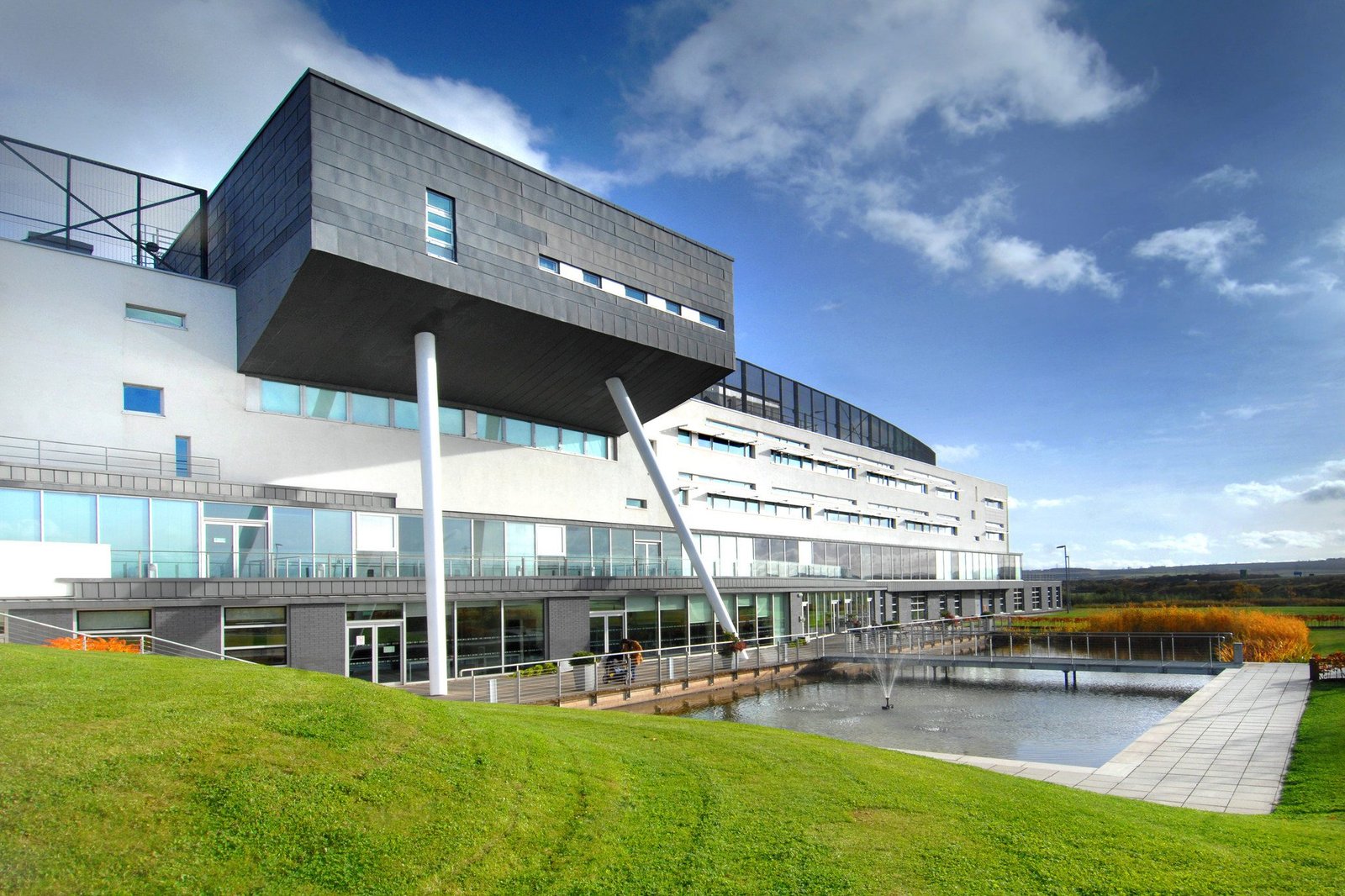
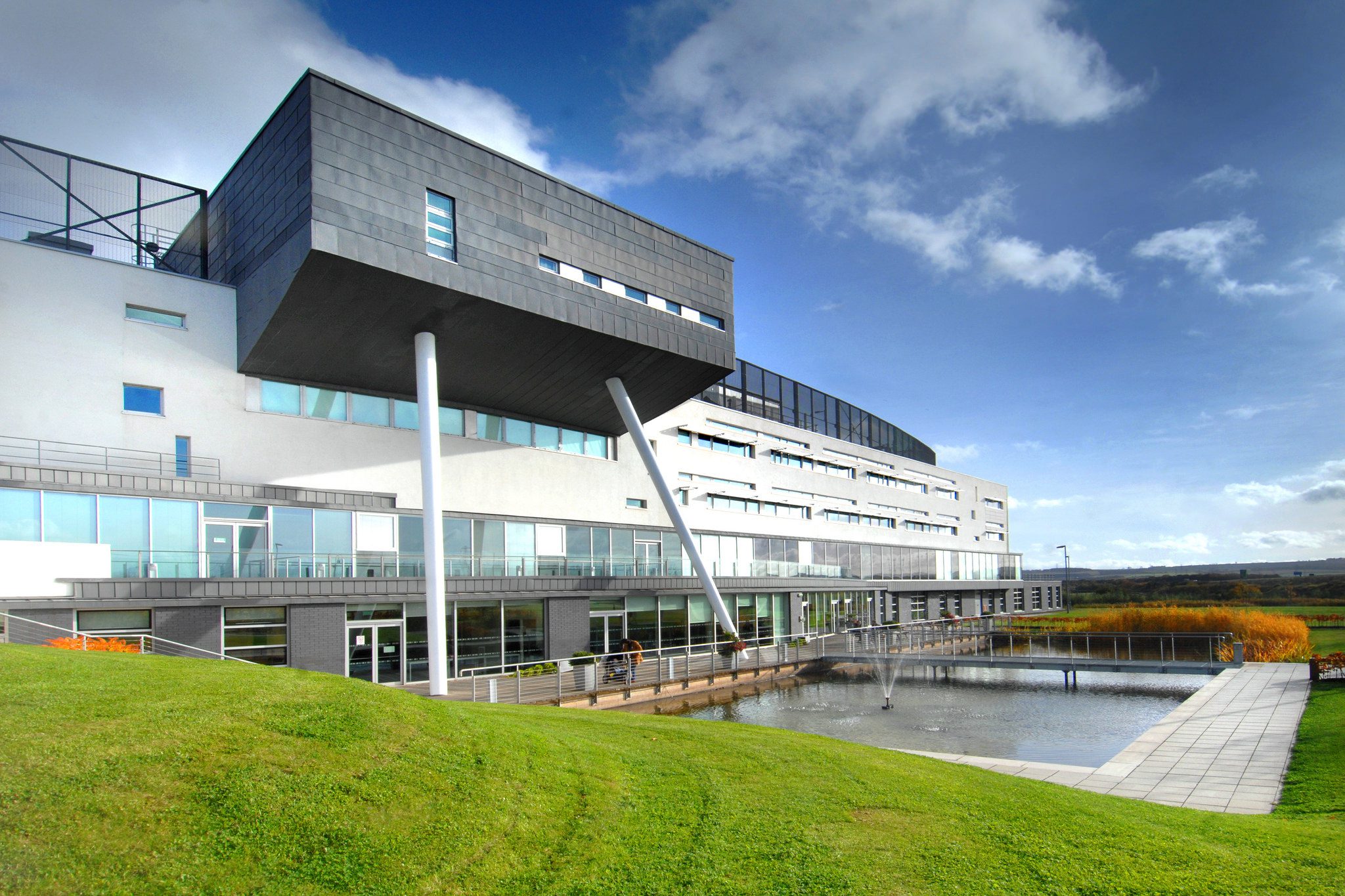
New analysis carried out by climate technology company IES has identified potential annual energy savings of around £64,000 at Queen Margaret University in Edinburgh, equivalent to approximately 11% of the university’s current energy spend.
The project, commissioned by the university, used IES’s live digital twin technology to analyse operational performance across the institution’s 236,310 sq ft main academic building and 30,009 sq ft sports facility at its campus opened in 2008.
When completed, the university’s main academic building achieved an Excellent BREEAM rating, which at the time was the highest score recorded for a UK university. However, the analysis found that operational performance had shifted over time as systems, controls and occupancy patterns evolved.
IES implemented its cloud-based IES Live platform to monitor and analyse energy use using live building management system (BMS) data alongside physics-based digital twin modelling. The assessment identified several operational inefficiencies and highlighted opportunities for low- and no-capital-expenditure improvements.
According to the analysis, boilers on the site were operating at around 82% efficiency. IES said revised control strategies and improved sequencing could increase efficiency to approximately 94%, potentially delivering annual savings of around £14,000.
The study also found that outside air conditions were suitable for free cooling approximately 97% of the year, yet the system was using free cooling only around 2% of the time. Increasing the use of outside air for cooling could generate close to £30,000 in annual savings, according to the company.
Additional opportunities identified included improving control schedules, lowering overnight temperatures, reducing fan speeds where possible, cutting excess runtime and preventing heating and cooling systems from operating simultaneously.
The project also exposed gaps in the university’s energy metering infrastructure. Although air handling units were controlled through the BMS, they lacked dedicated energy metering, limiting visibility into system performance.
IES said the work has been structured as an ongoing managed service to monitor performance over time as operational changes are implemented and building usage evolves.
Craig Blyth, senior operations consultant at IES, said:
“This project proves that meaningful savings do not always require major capital investment. By combining building physics modelling with live operational data, we’ve moved beyond assumptions to identify exactly how existing systems can be tuned to perform more efficiently.
“The £64,000 in potential savings identified in the initial high-level phase demonstrates how powerful a data-driven, evidence-led approach can be for near-term returns. This strategy reduces energy demand and lowers operating costs today, while providing a credible, scientific foundation for the university’s longer-term decarbonisation.”
John Walker, head of estates and engineering at Queen Margaret University, said:
“Sustainability is at the core of Queen Margaret University’s mission, and we are continually looking for ways to enhance our environmental performance—both through the operation of our campus and through our teaching and research. We are therefore pleased to work with IES to ensure we are taking every opportunity to identify and implement efficiencies that deliver meaningful, long-term benefits in how the University operates.
“Working collaboratively enables us to make the best possible use of our campus while continuing to strengthen our commitment to sustainability. These findings give us a strong evidence-based starting point. As improvements are implemented, we will validate performance in operation, allowing us to clearly see where we are performing well, where further progress is needed, and how best to prioritise our next steps.
“Ultimately, this work supports the development of a more resilient estate – one that is better prepared for the impacts of climate change and designed to operate more efficiently and cost-effectively for years to come.”
Learn more about the project and IES’s technology here: https://www.iesve.com/services/projects/65239/queen-margaret-university-ies-live-performance-monitoring-and-decarbonisation-planning