
European hydropower generation fell to its lowest third-quarter level since 2015 following a summer of extreme heat and drought, raising concerns about electricity supply and prices heading into winter. That was the key takeaway from energy intelligence provider Montel’s Q3 European energy market summary.
Hydropower generation across Europe totalled just 84.8 TWh in Q3 2026, around13% below the same period last year.
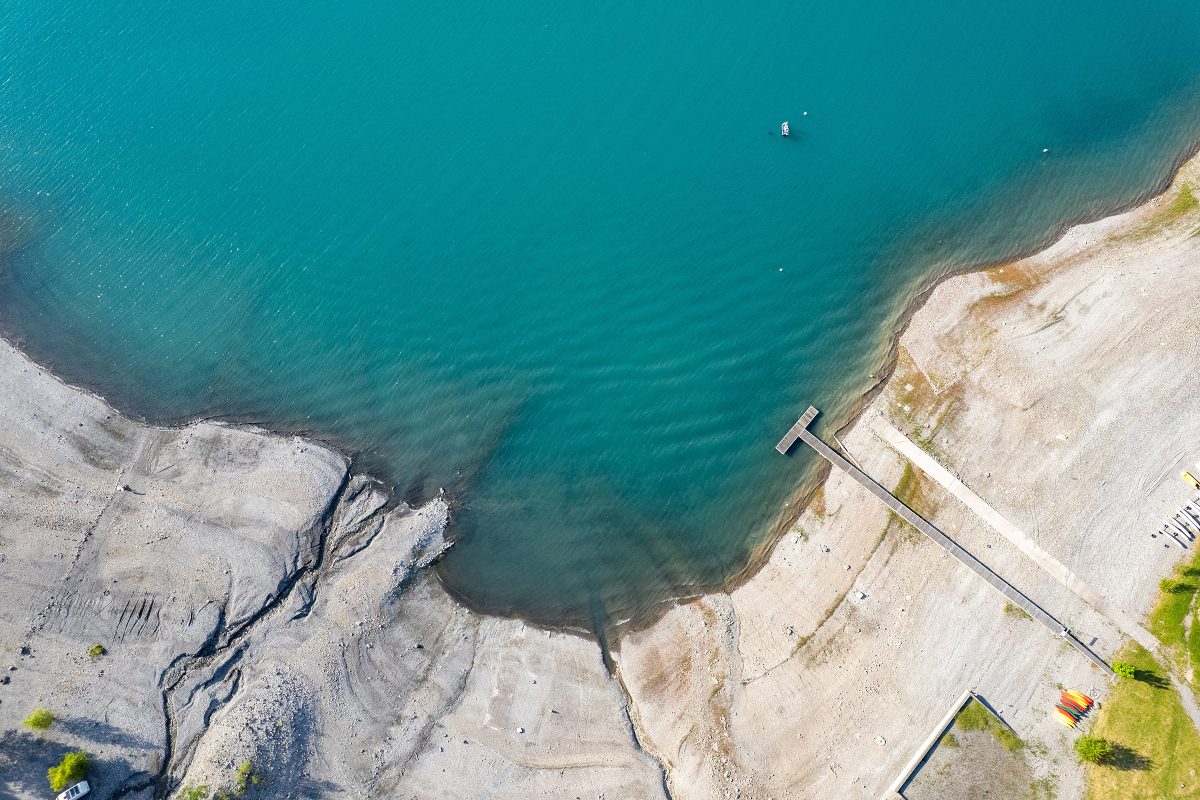
The decline was driven by prolonged periods of extreme heat and exceptionally low rainfall across much of Europe, which depleted rivers and reservoirs, sharply reducing hydroelectric output.
Run-of-river generation was particularly badly affected, with output falling 71% in Austria, 31% in France and 30% in Italy compared with Q3 2025.
Although rainfall returned closer to normal levels in September, reservoir levels remain depleted across several major European power markets, raising concerns that hydropower availability could remain below seasonal norms during the final three months of the year.
Jean-Paul Harreman, Director at Montel Analytics, warned that depleted hydropower reservoirs, combined with low gas storage levels, could leave Europe’s energy system increasingly exposed during winter.
“I think of Europe’s hydropower reservoirs as the electricity sector’s savings account. There if needed, to be drawn down in an emergency. If hydropower operates like a savings account, then gas is more like a credit line. It can be topped up at any point, as long you are willing (and able) to pay.
That’s why the real test this summer wasn’t about getting through any hot spell but reaching the autumn with something actually left in the bank. Repeated heatwaves and drought have emptied the account further since then. That’s why low reservoir levels worry me most right now.”
Could El Niño improve the outlook for Q4?
Attention is now turning towards the final quarter of 2026 and whether changing weather patterns could help restore Europe’s depleted hydropower reserves.
A strengthening El Niño could influence European weather conditions during the coming winter, potentially affecting rainfall and temperatures.
However, its regional effects remain uncertain, and any sustained recovery in hydropower generation will depend on prolonged periods of above-average precipitation during autumn and winter.
Drought conditions remained widespread at the end of Q3, particularly in France, Germany, northern Italy and parts of the Danube basin.
Even where rainfall has returned to normal levels, depleted reservoirs and river levels mean hydropower generation could remain subdued for several months.
Without sustained rainfall, Europe risks entering the coldest part of the year with reduced hydroelectric availability, increasing reliance on alternative sources of electricity generation.
Harreman added “A hydropower deficit is a physics problem, which only clears when it rains or snows. The only levers available are demand, other types of storage or imports. A gas storage deficit is a financial problem. It clears when prices drop or regulators push for filling.
“The gap between summer and winter gas prices has not been big enough to make filling storage worthwhile. This has left storage below the EU’s required levels, with member states on track to miss the winter storage targets, meaning consumers may pay the price. While the US can physically replace cargoes, this does not solve the price problem.”
These risks could intensify during so-called Dunkelflaute events, when low wind and solar generation coincide with high electricity demand.
Such conditions would increase reliance on gas-fired power generation, imports and other dispatchable capacity, potentially triggering renewed volatility across European electricity markets.
French nuclear availability will also remain an important factor. Although cooling-water restrictions should ease as temperatures fall, ongoing maintenance and inspections could limit available capacity during periods of peak winter demand.