
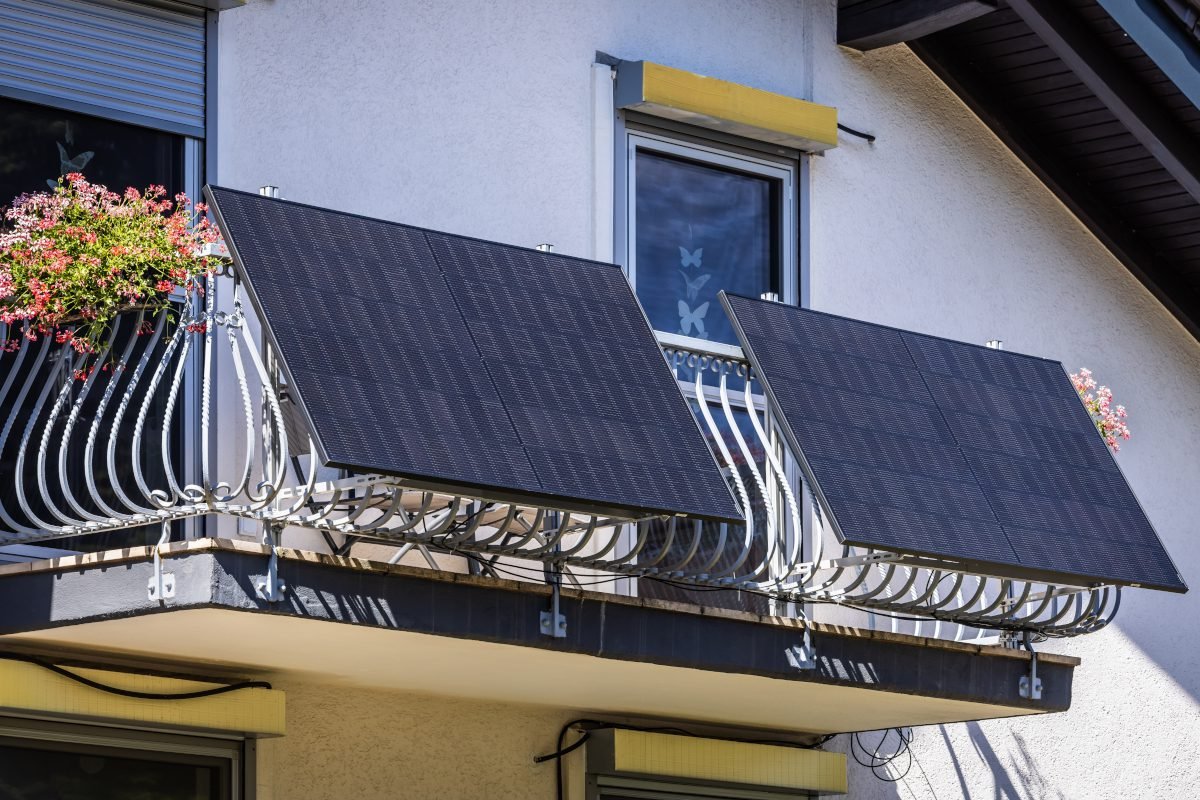
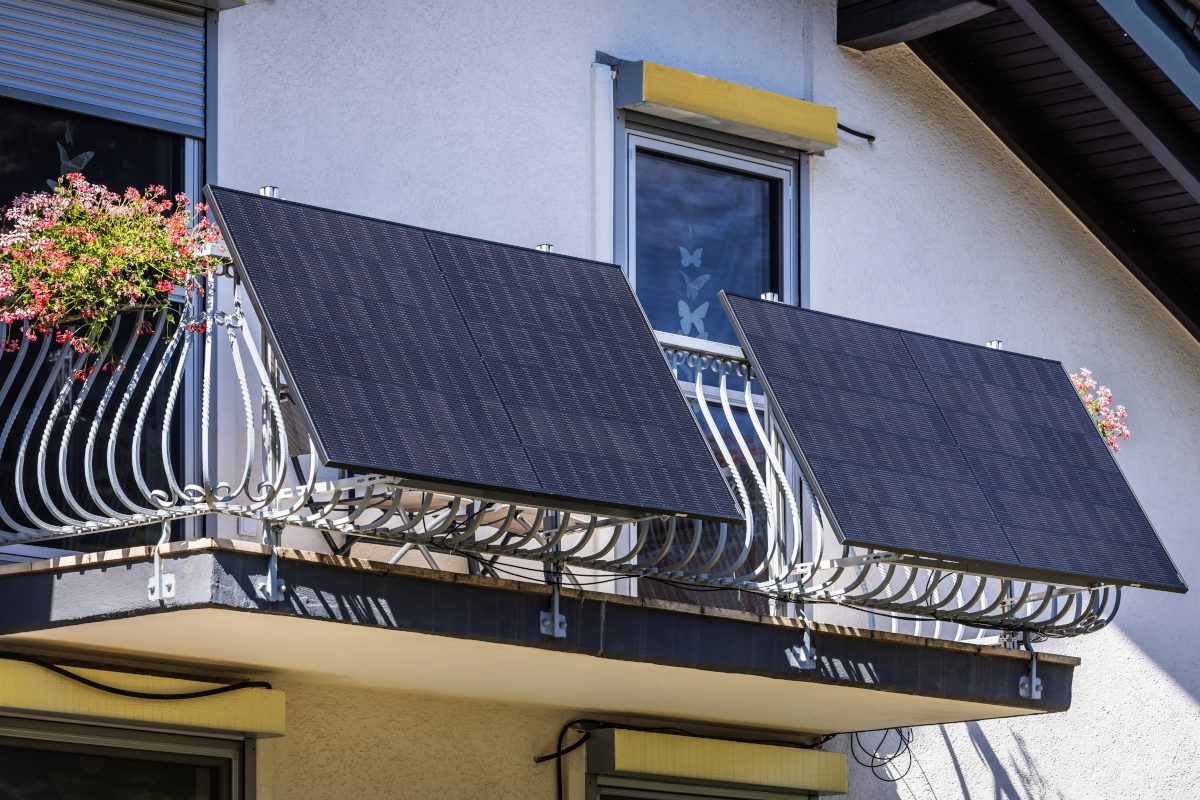
The UK government is to legalise plug-in solar panels for household use from 27 August, allowing consumers to generate electricity from small photovoltaic systems connected directly to a standard domestic socket without the need for professional electrical installation, provided products comply with newly introduced safety requirements.1
The move, first reported by Engineering & Technology magazine, is contained within amendments to the Plugs and Sockets etc. (Safety) Regulations 1994, creating an interim product specification that permits compliant “plug-in” or “balcony” solar systems to be used legally in the UK.2
Until now, the technology has existed in a legal grey area. Although widely used elsewhere in Europe, existing British Standards prohibited standard household plugs from being used to feed electricity into a socket, preventing the systems from being marketed for their intended purpose in the UK.3
Under the new rules, qualifying systems will be limited to a maximum output of 800W and must not incorporate batteries designed to store electricity for later supply. The government says compliant products will be able to plug safely into standard UK sockets without requiring an electrician.4
The output limit means the systems are intended to offset a home’s continuous background electricity demand — powering appliances such as refrigerators, broadband routers, televisions and lighting rather than high-load devices including kettles and electric showers. Typical annual bill savings have been estimated at around £100 to £180, with payback periods of roughly three to five years.5
The Department for Energy Security and Net Zero has previously held discussions with retailers including Amazon, B&Q, Currys and Screwfix, which have expressed interest in stocking the products. 6 John Boumphrey, UK & Ireland country manager at Amazon, described it as “a fantastic opportunity to make renewable energy more accessible to people around the UK.”7
The new rules appear to address many of the issues raised by electrical industry groups earlier this year – including concerns around product standards, power limits and battery exclusion – although some organisations may continue to argue that questions surrounding older electrical installations, consumer behaviour and longer-term technical standards have yet to be fully resolved.
Notes
[1] The Plugs and Sockets etc. (Safety) (Amendment) Regulations 2026 (SI 2026/848).
[2] Ibid; E&T magazine, 22 July 2026.
[3] “Plug-in solar panels to be legalised in the UK next month to help cut energy bills”, Engineering & Technology, 22 July 2026.
[4] SI 2026/848.
[5] E&T, 22 July 2026.
[6] Ibid.
[7] Amazon statement quoted in E&T magazine, 22 July 2026.