

Twice as many animals died due to heat stress en route to slaughterhouses during the UK’s record-hot summer in 2025 compared to 2024, according to new Carbon Brief analysis.
Government figures showed that nearly 6,600 animals – mostly chickens – died in transport as a result of the sweltering summer heat in England and Wales from June to August 2025.
This compared to 3,100 in summer 2024 and no official cases in summer 2023.
These figures were still below the more than 18,500 deaths recorded in the summer of 2022 when UK temperatures hit 40C for the first time, as previously reported by Carbon Brief.
The deaths are a “horrifying reminder of what happens when animals are treated as cargo”, said an animal-rights group spokesperson.
Detailed descriptions included in the data on the deaths highlighted thousands of animals dying amid heat stress, high humidity levels and long journeys.
Thousands of animals also died due to cold, wintry conditions, with more than 13,000 deaths recorded between December 2024 and February 2025 – almost double the previous winter.
Heat deaths
Carbon Brief has analysed recent years of “dead on arrival” data focused on livestock that died due to heat or cold stress en route to slaughterhouses.
The data was obtained through the UK Freedom of Information (FOI) Act from the Food Standards Agency (FSA), which is responsible for the compliance of slaughterhouses in England and Wales.
At least 1m chickens die in the UK each year while being transported to slaughterhouses due to suffocation, poor transport procedures and other issues, reported the Bureau of Investigative Journalism in 2018 .
Pigs, cows, sheep and other animals also die in this way in smaller numbers.
The new data showed that 6,595 animals died due to heat stress en route to abattoirs between June and August 2025, which was the warmest summer on record in the UK.
According to the Met Office, human-caused climate change made this summer heat 70 times more likely to occur.

Carbon Brief requested non-publicly accessible details of “dead on arrival cases” that were categorised as “suspected heat/cold stress”.
Each incident contained a detailed description written by a vet with supporting evidence about the condition of the animals, the transport conditions and the suspected cause of death. These are filed to the FSA.
The information showed that certain individual days had particularly high death tolls. Almost 1,000 chickens died in a number of incidents during a heatwave on 11 July 2025. Some chickens showed visible signs of heat stress, such as panting and immobility, the reports said.
On 12 August, amid more high temperatures, 2,154 chickens died in heat-stress incidents.
Body temperatures of some of the chickens that died on this day were as high as 46C.
A chicken will die if its body temperature exceeds 45C and it should ideally stay as close to 41C as possible, according to a 2005 document from the Department for Environment, Food & Rural Affairs (Defra).
The table below shows the total number of heat- and cold-related deaths of livestock in recent years, based on the data obtained through FOI.
The “dead on arrival” information covered every summer and winter since 2023, alongside the summer of 2022.
The figures were likely an underestimate of the total number of livestock deaths due to high or low temperatures, as they only included deaths with “suspected cold/heat stress” as a listed category.
However, the incident descriptions in many other deaths mentioned high and low temperatures as contributing factors, despite the ultimate cause of death not being labelled as such. These were not included in Carbon Brief’s tally.
The figures covered deaths in England and Wales. Scotland and Northern Ireland do not record the cause of deaths en route to slaughterhouses, so it is not possible to single out the cases linked to high or low temperatures.
Preventing deaths
These livestock deaths are a “horrifying reminder of what happens when animals are treated as cargo”, says Alex Harman, campaigns manager at animal rights group Animal Aid. He tells Carbon Brief:
“These 6,600 individuals [in summer 2025] did not just die, they suffered prolonged, agonising heat exhaustion inside metal containers – anyone experiencing the UK’s heatwave this week will be able to empathise.”
Climate change is “simply amplifying the violence already built into animal farming”, he says, adding that the only “compassionate, logical” solution is to “stop viewing animals as products and urgently transition to a plant-based food system”.
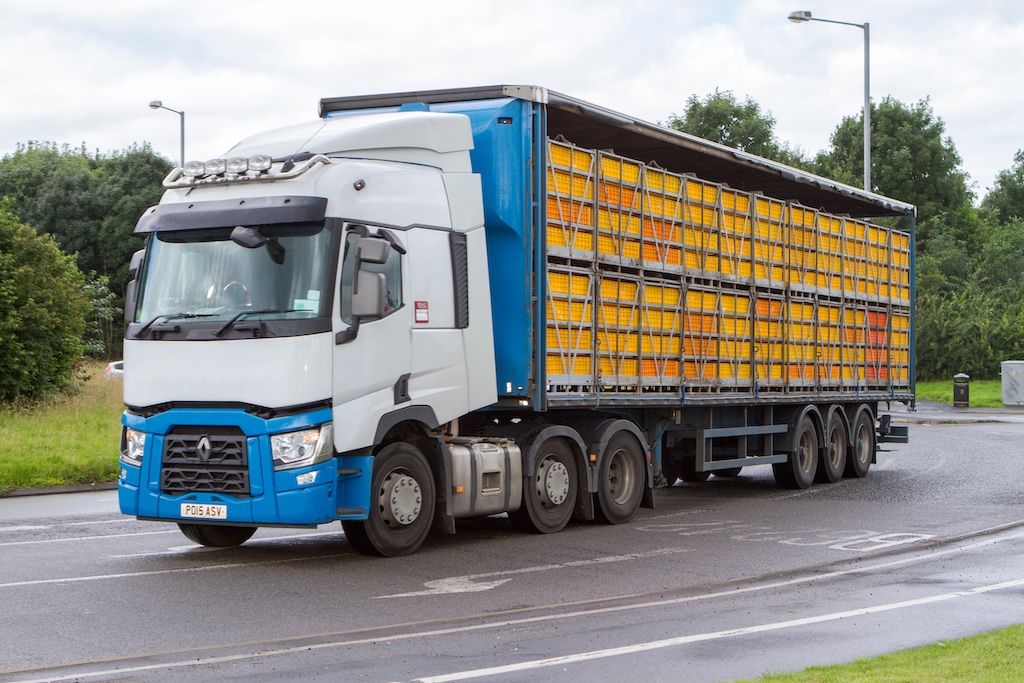
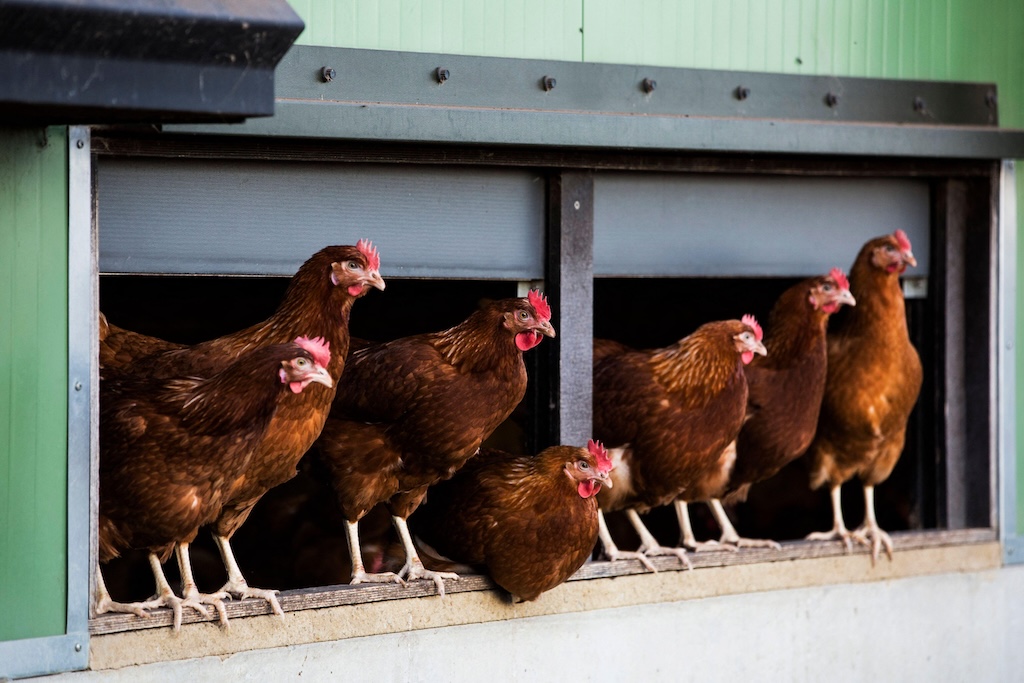
Pigs and chickens cannot sweat and face difficulties cooling down on very hot days.
Cramped or long journeys can exacerbate this, combined with high humidity levels, sometimes upwards of 80%, the livestock data showed.
Abigail Penny, the executive director of Animal Equality UK, tells Carbon Brief that “these same scenes of extreme animal suffering play out every summer and, if nothing is done, it’s only going to get worse”.
Workers transporting animals during extreme weather conditions are expected to put in place measures to protect them, according to UK government guidance.
These measures can include ensuring water and ventilation systems function properly on vehicles, avoiding travel during the hottest or coldest parts of the day and recognising signs of heat and cold stress in animals.
The FSA said that the number of “dead on arrival” incidents caused by cold and heat stress increased by more than 50% between April 2024 and March 2025 compared to the same period the year prior.
The FSA and Defra declined Carbon Brief’s request to comment on the new figures.
Cold deaths
Thousands of animals also die due to cold stress while travelling to slaughterhouses each year. Carbon Brief assessed data for these deaths in the winters of 2023-24 and 2024-25.
At least 13,057 livestock animals died due to cold weather conditions between December 2024 and February 2025. This is more than double the number – 6,981 – that died the previous winter.
On 6 February 2025 alone, 4,056 poultry deaths were reported due to cold weather impacts.
Some livestock also died due to cold conditions in the summer months.
For example, 326 animals died amid cold weather in the summer of 2023. No official heat-related deaths were recorded in that period, but a number of incidents referred to hot-weather conditions or heat stress as contributing factors.
Overall, 2023 was a very warm year in the UK, with soaring temperatures in June and September. At least 3,103 animals died from heat stress in September, the figures also showed.
Conditions were cooler and wetter in July and August, which may have contributed to the absence of heat-stress deaths.
Most cold deaths during warmer months occurred in the early hours of the morning or overnight when temperatures dropped, the FOI data shows.
On 28 August 2025, for example, 134 chickens died due to cold stress. The incident description outlined that the animals were “very wet”, dirty and had few feathers, which can reduce a chicken’s ability to hold warmth.
The animals were transported overnight to a slaughterhouse and “suffered distress and pain” because of the weather and other factors, the description noted.



The post Livestock heat deaths in transit doubled in UK record-hot summer of 2025 appeared first on Carbon Brief.