
A major pollution response is under way on the River Tyne after an estimated 25 tonnes of plastic pellets, or nurdles, entered the water following a collision involving the offshore wind turbine installation vessel Wind Orca and the berthed containership BG Orange at the Port of Tyne.1
The collision, which occurred on 19 July, also caused the collapse of a dockside gantry crane onto the container ship, leaving one person with injuries described as non-life-threatening and prompting a complex salvage operation.2
While engineers continue working to stabilise the damaged crane and vessels, environmental efforts have focused on recovering the escaped plastic feedstock before it disperses more widely into the marine environment.3
According to the Port of Tyne, its pollution response plan was activated immediately after the scale of the pellet spill became apparent. Measures introduced over the following 48 hours included deploying floating containment booms around the damaged containership to prevent further losses and sending multiple vessels onto the river to recover pellets from the water.4
A Port spokesperson said: “Responding to the collision is a multi-faceted and complex salvage operation which cannot be hurried. Safety and the welfare of everyone working on the site is and must remain our priority.
“Our response plan to the pellet spill was activated immediately we became aware of it. It involves a number of actions, including helping contain any further spill of pellets and getting boats out on the river as a matter of urgency to clear pellets from the water.
“We will continue to work with local authorities and other agencies as everyone works hard to minimise the effect of the pellet spill.”5
The Port said it is working through the formal multi-agency Recovery Coordinating Group alongside South and North Tyneside councils, the Maritime and Coastguard Agency (MCA), the Marine Accident Investigation Branch (MAIB), Northumbria Police and other organisations involved in both the environmental response and the salvage operation.6
Pellets already reaching beaches
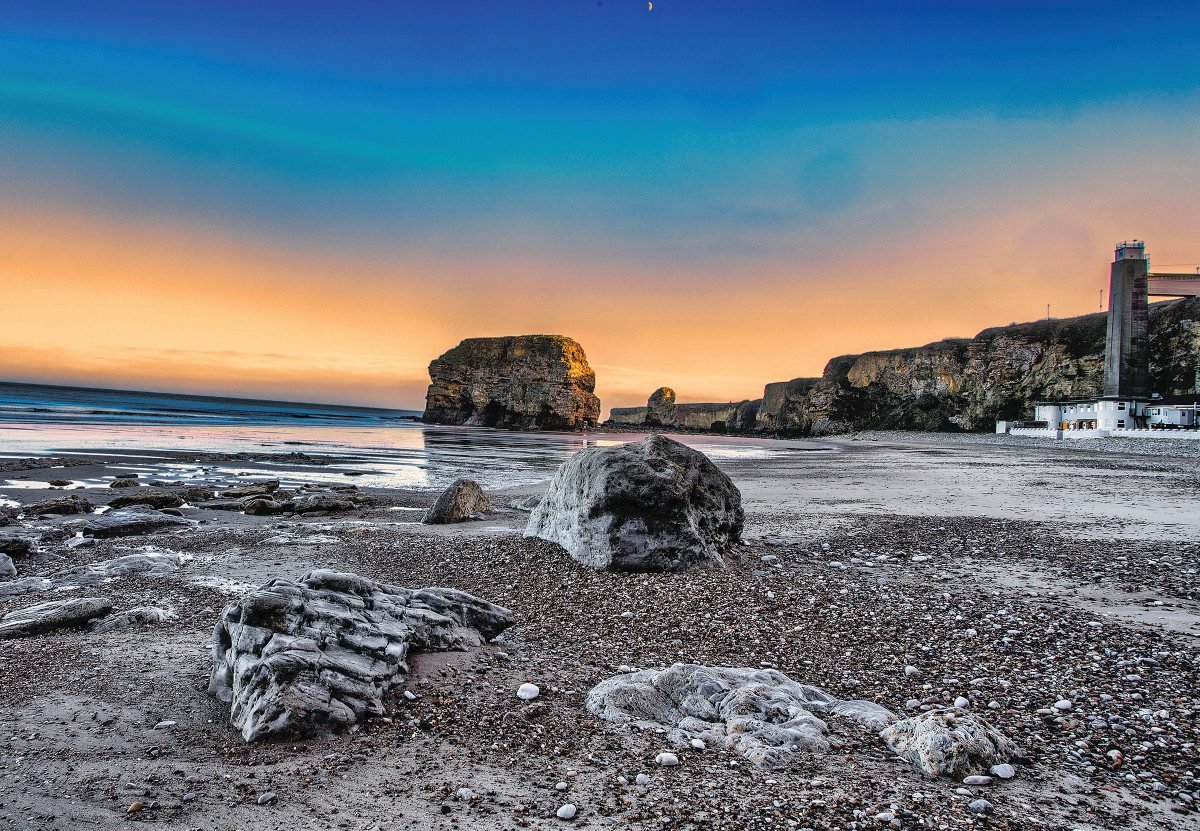
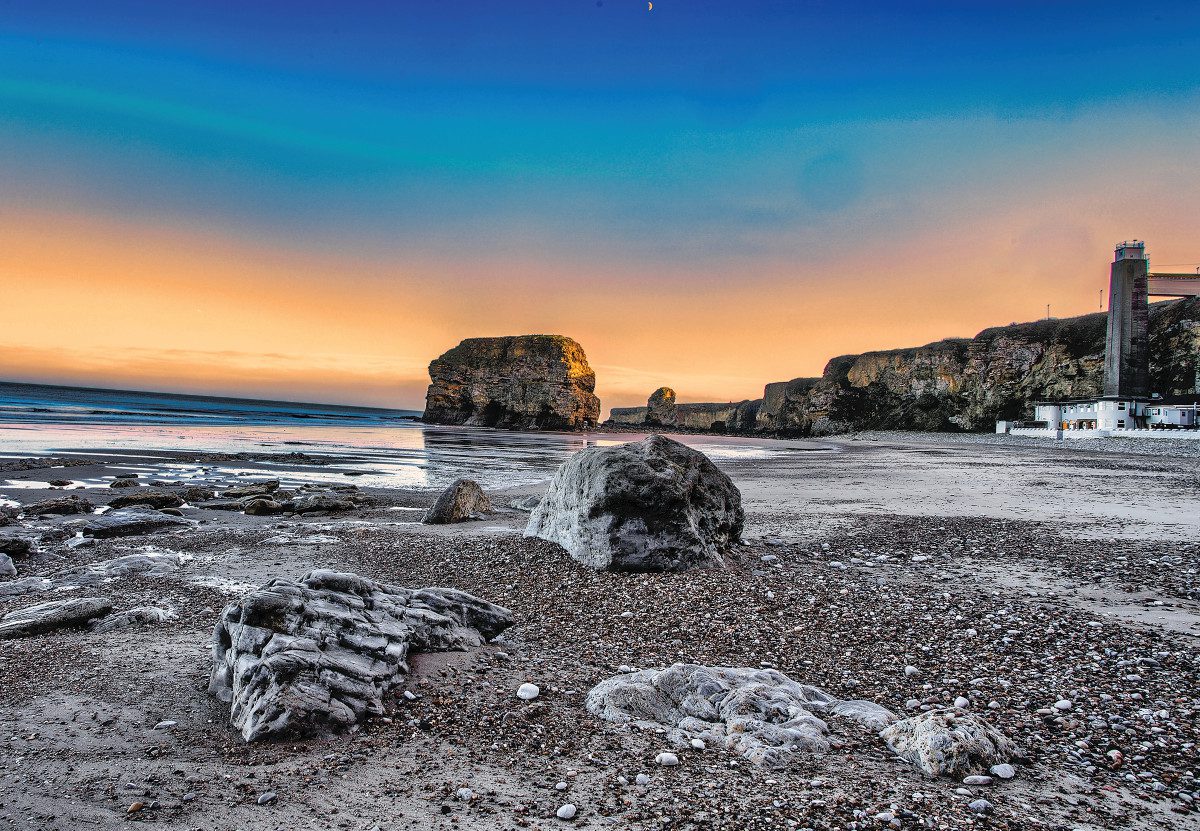
The pollution has already spread beyond the port itself, with nurdles washing ashore on beaches around South Shields and reportedly reaching other stretches of the North East coastline.7
Although the pellets themselves are regarded as presenting a very low direct public health risk, they are widely recognised as one of the most persistent forms of plastic pollution. Once released into the environment they are extremely difficult to recover, can travel long distances on tides and currents, adsorb pollutants from seawater and may be mistaken for food by seabirds, fish and other marine wildlife.8
Environmental charity Fidra estimated that a single damaged container could have released approximately one billion plastic pellets into the river and warned that the spill illustrates the continuing risks associated with transporting plastic feedstock.9
Heather McFarlane, senior project manager at Fidra, said: “It is devastating to see another plastic pellet spill.”
She added: “We urgently need stronger UK regulation to prevent pollution on land and mandatory measures at sea to stop spills like this in the future.”10
The incident has prompted warnings for members of the public not to handle pellets found on beaches unnecessarily while clean-up operations continue. South Tyneside Council has said it intends to seek recovery of clean-up costs from those ultimately found responsible for the spill, while the Environment Agency says it is supporting local authorities by providing technical advice during the early stages of the response.11
Meanwhile, the MAIB has begun investigating the circumstances surrounding the collision.12
Notes
[1] “Response to Plastic Pellet Spill“, Port of Tyne, 23 July 2026.
[2] Ibid.
[3] Ibid.
[4] Ibid.
[5] Ibid.
[6] Ibid.
[7] “One billion plastic pellets spilled into River Tyne after two ships collide”, The Guardian, 22 July 2026.
[8] Ibid.
[9] “News Bulletin: Plastic Pellet Spill at Port of Tyne”, The Great Nurdle Hunt, South Shields.
[10] “One billion plastic pellets spilled into River Tyne after two ships collide”, The Guardian, 22 July 2026.
[11] ibid
[12] Port of Tyne, 23 July 2026.