
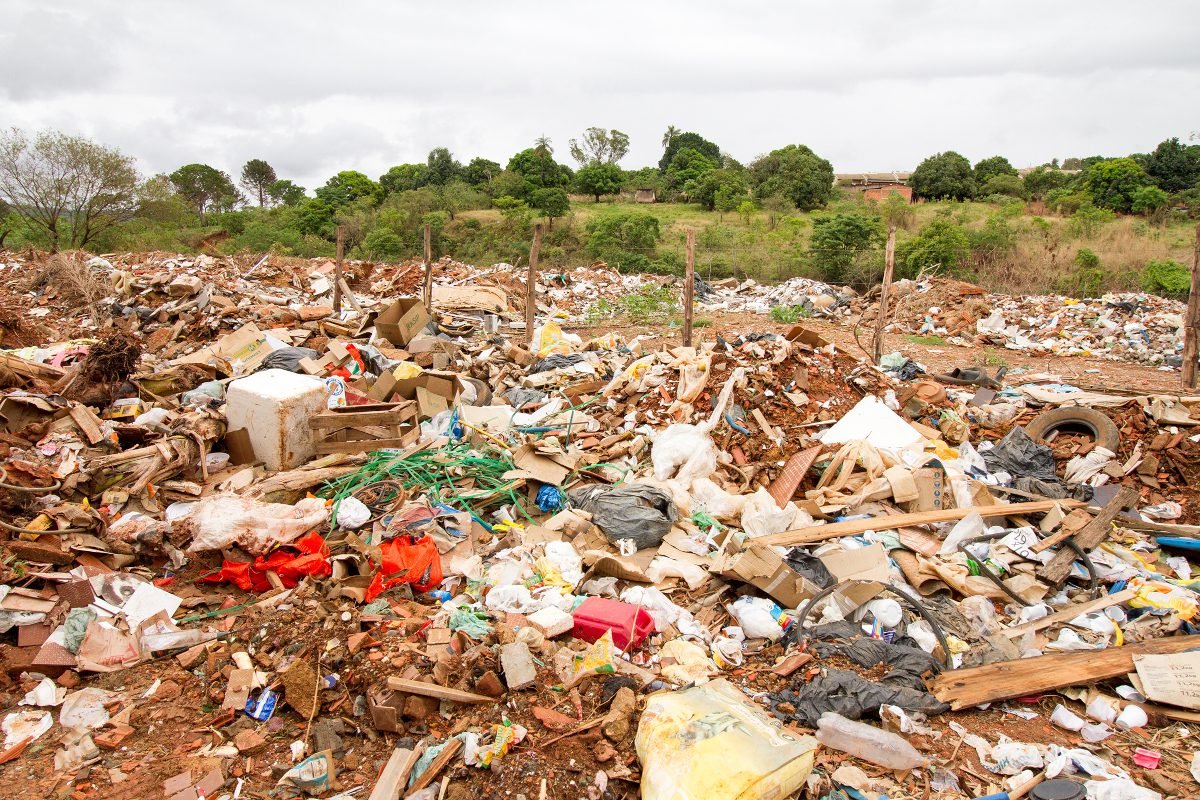
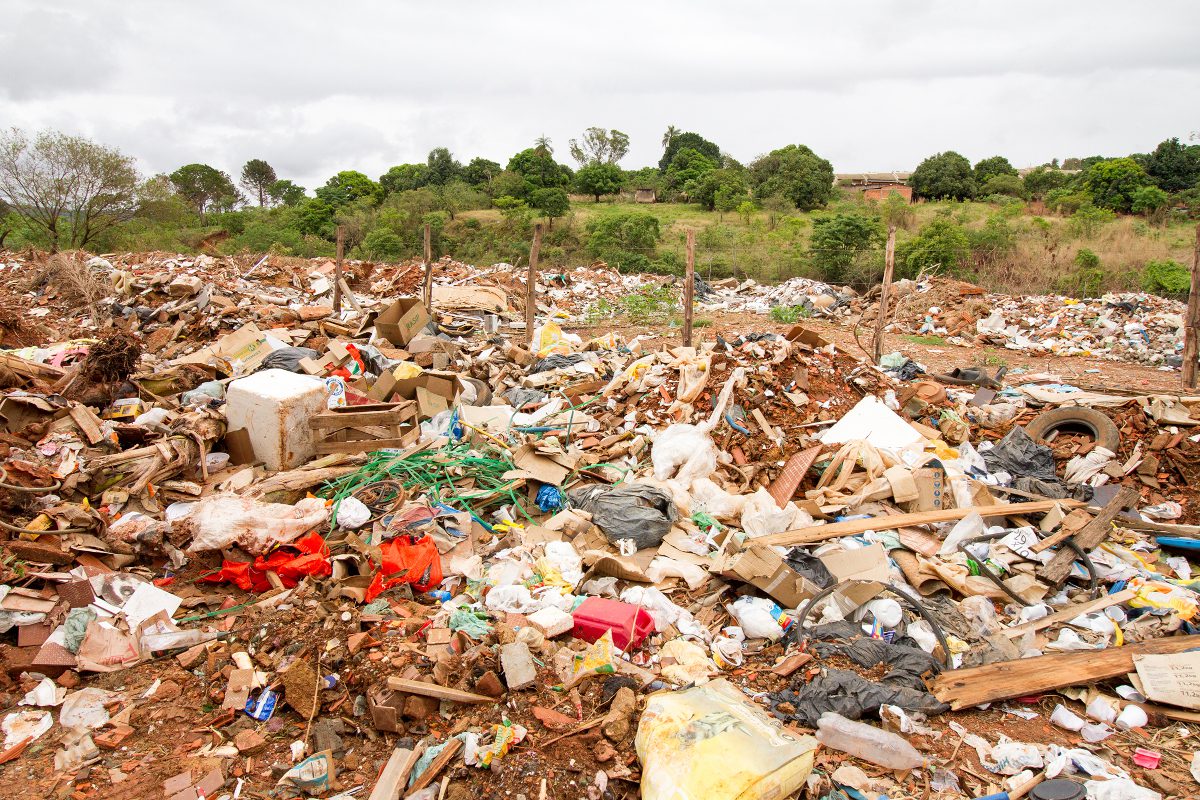
Landfills and coal mines will now come under the scrutiny of the UN’s satellite methane emissions monitoring programme for the first time, UNEP announced on 4 May.
The plan to broaden the remit of the International Methane Emissions Observatory (IMEO), run by the UN Environment Programme (UNEP), beyond its traditional focus on oil and gas production, was unveiled at a high-level methane event hosted by France under its G7 Presidency. It follows the publication of new UNEP analysis of the world’s top 50 methane sources, showing that many of these relate to the coal and waste sectors.
Methane has come to be regarded as one of the more urgent climate pollutants to tackle because it traps significantly more heat than carbon dioxide over the short term (albeit enduring for a shorter time period – around 12 years – compared to CO2, which remains in the atmosphere indefinitely).
The growing role of waste in global methane inventories has become increasingly visible through satellite monitoring. Through its Methane Alert and Response System (MARS), IMEO draws on 35 satellite instruments to detect super-emitters, human-caused methane sources so large they can be seen from space.
According to Reuters, UNEP analysis has identified the Lomas Los Colorados landfill near Santiago, Chile, as the world’s largest detected human-made methane source, with estimated annual emissions of more than 102,000 tonnes of methane.3 Other contenders for the title include a coal mine in China, and an oil well in Turkmenistan.
“Expanding UNEP’s Methane Alert and Response System (MARS) to coal and waste, strengthening response frameworks, and bringing more companies into verified measurement sends a clear signal: the era of invisible methane emissions is ending,” said Martin Krause, Director, Climate Change, UNEP.
To ensure alerts result in real world fixes, IMEO and the International Energy Agency (IEA) have released a new MARS Response Blueprint, providing governments with a clear, step by step playbook for verifying emissions, mobilizing operators, and tracking mitigation. IMEO and partners will support countries with hands on technical assistance to turn alerts into measurable emissions cuts.
Alongside this expansion in monitoring domains, the agency announced new industry commitments from national oil companies in Angola, Libya and Pakistan, bringing global coverage of UNEP’s Oil and Gas Methane Partnership 2.0 (OGMP 2.0) closer to half of oil and gas production.
Their entry brings OGMP 2.0 close to covering half of global oil and gas production, accelerating a shift toward independently verified, asset level methane measurement — including across joint ventures.
UNEP’s IMEO also launched its Coal Methane Database, said to be delivering unprecedented mine level transparency for a sector long characterized by data gaps.
The database provides emissions estimates for nearly 250 coal mines, covering more than half of global metallurgical coal production. It combines satellite observations, scientific research and official inventories into a single dataset. UNEP said the database gives operators, regulators, investors and steelmakers the information needed to act and cut methane emissions decisively – and to ensure accountability.