
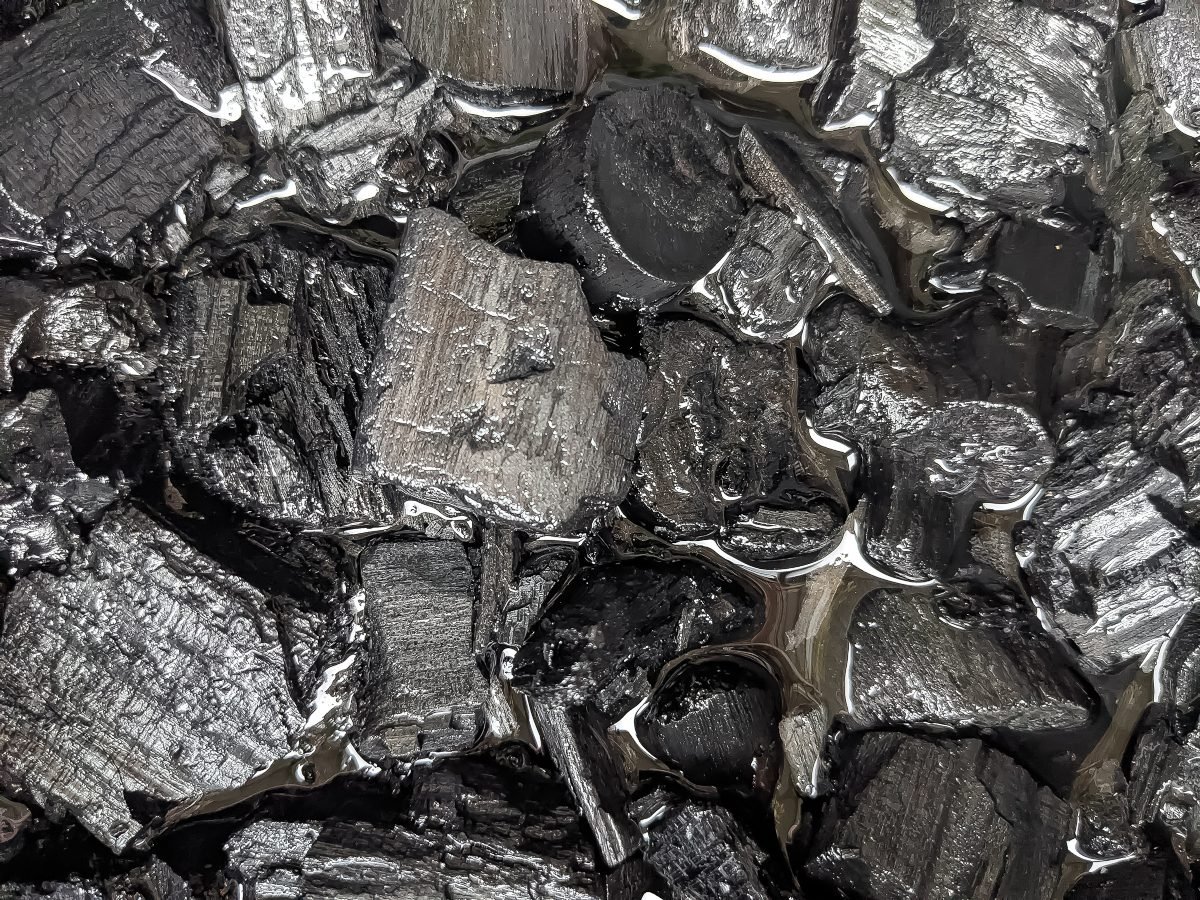
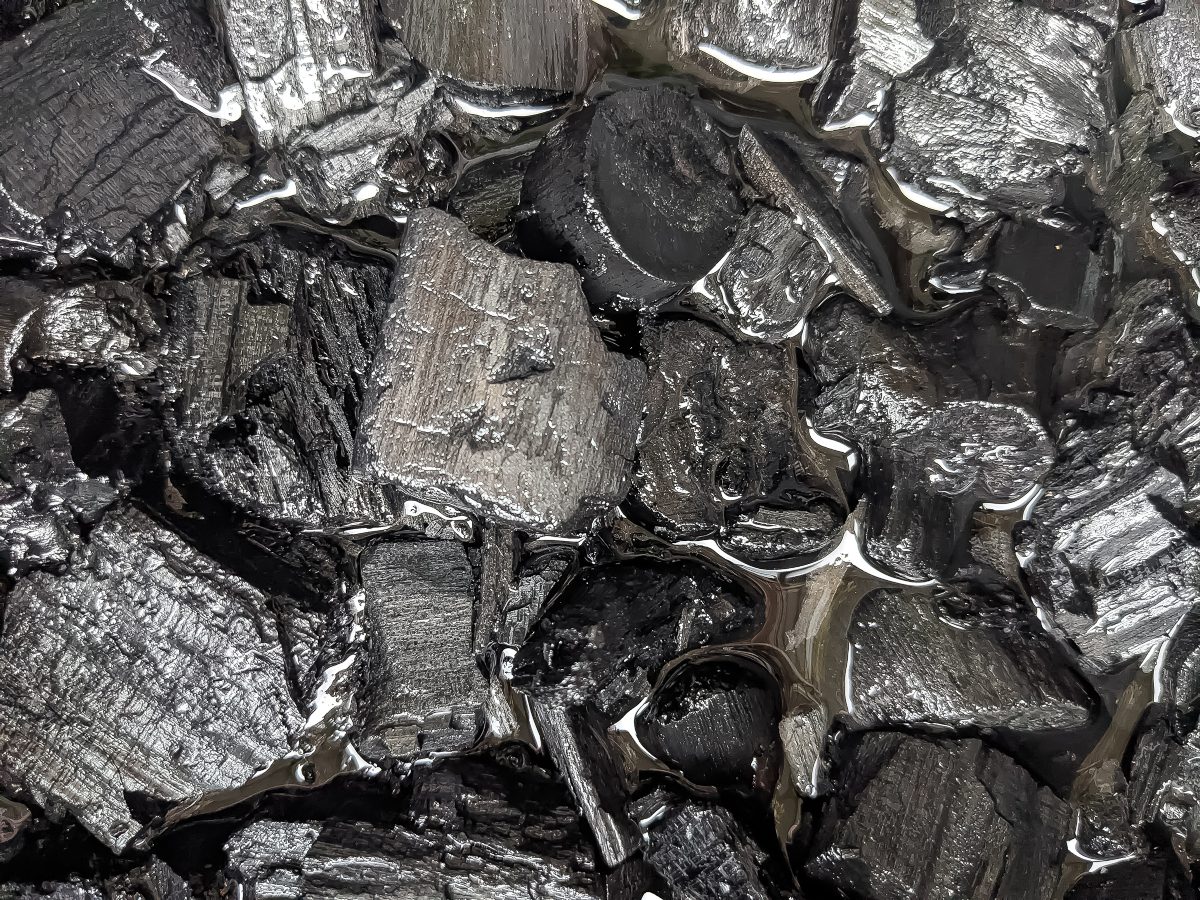
Discarded PET plastic bottles could become a source of high-quality graphite for lithium-ion batteries. A seemingly noteworthy advance in this direction has been announced by researchers at Penn State who have developed a process for converting the common waste plastic into highly ordered synthetic graphite suitable for battery anodes.
The work, published in Diamond and Related Materials, addresses two growing challenges simultaneously: the accumulation of plastic waste and increasing demand for battery-grade graphite driven by electric vehicles, consumer electronics and grid-scale energy storage.
Graphite is a critical component of lithium-ion batteries, where it serves as the anode material that stores and releases electrical charge. It is classified as a critical mineral by governments in the US, EU and elsewhere because of its importance to battery manufacturing and the energy transition.
The Penn State team converted waste polyethylene terephthalate (PET) into synthetic graphite by combining shredded plastic with small quantities of graphene oxide before subjecting the mixture to a carefully controlled thermal treatment. The resulting material exhibited highly ordered crystalline structures that, according to the researchers, exceeded those found in commercial natural graphite samples – a key indicator of suitability for high-performance battery anodes.
“Most people think of a plastic bottle as waste once they’re done using it,” said Shakshi Sekar, lead author of the study and a doctoral student in Penn State’s John and Willie Leone Family Department of Energy and Mineral Engineering. “Our work shows that the same material can become a valuable resource for producing graphite, which is essential for modern battery technologies.”
The researchers identified an optimum graphene oxide content of 2.5% by weight, producing graphite with crystallite dimensions greater than those typically associated with natural graphite.
According to the team, oxygen-containing functional groups along the edges of graphene oxide sheets promote the lateral growth of graphite crystals, while exposed graphene surfaces act as templates that guide carbon atoms into highly ordered stacked structures during graphitisation.
The approach avoids the use of metal catalysts such as iron, nickel or cobalt, which are commonly employed in synthetic graphite production but can leave impurities that require additional chemical processing to remove.
“We’re not simply finding a use for waste plastic,” Sekar said. “We’re creating a valuable material that could help support the growing demand for batteries and clean energy technologies.”
By replacing metal catalysts with graphene-based additives, the researchers believe the process could also reduce the environmental impacts associated with manufacturing battery materials.
“By avoiding metal catalysts, we can produce cleaner graphite while reducing chemical use and waste generation,” Sekar said.
Eliminating catalyst removal stages could simplify manufacturing while reducing chemical consumption and associated waste streams, the team suggested.
Although further work will be needed to assess battery performance and the feasibility of scaling up the process, the researchers believe the study demonstrates a promising route for turning one of the world’s most abundant plastic waste streams into a high-value energy-storage material.
The findings also suggest a different way of viewing plastic waste within a circular economy.
“If waste plastic can become a feedstock for advanced energy materials, it changes how we think about recycling,” Sekar said. “Instead of viewing plastic as a disposal problem, we can see it as a resource that helps support clean energy technologies.”
The study, Upcycling PET plastic waste: A graphenic additive templated approach to synthetic graphite, was published in Diamond and Related Materials. Co-author Randy Vander Wal, professor of energy and mineral engineering at Penn State and a faculty member in the university’s Institute of Energy and the Environment, also contributed to the research, which was supported by the US National Science Foundation.