Six charts show how clean power was world’s largest source of new energy in 2025

Carbon Neutral Regulation in AI Training
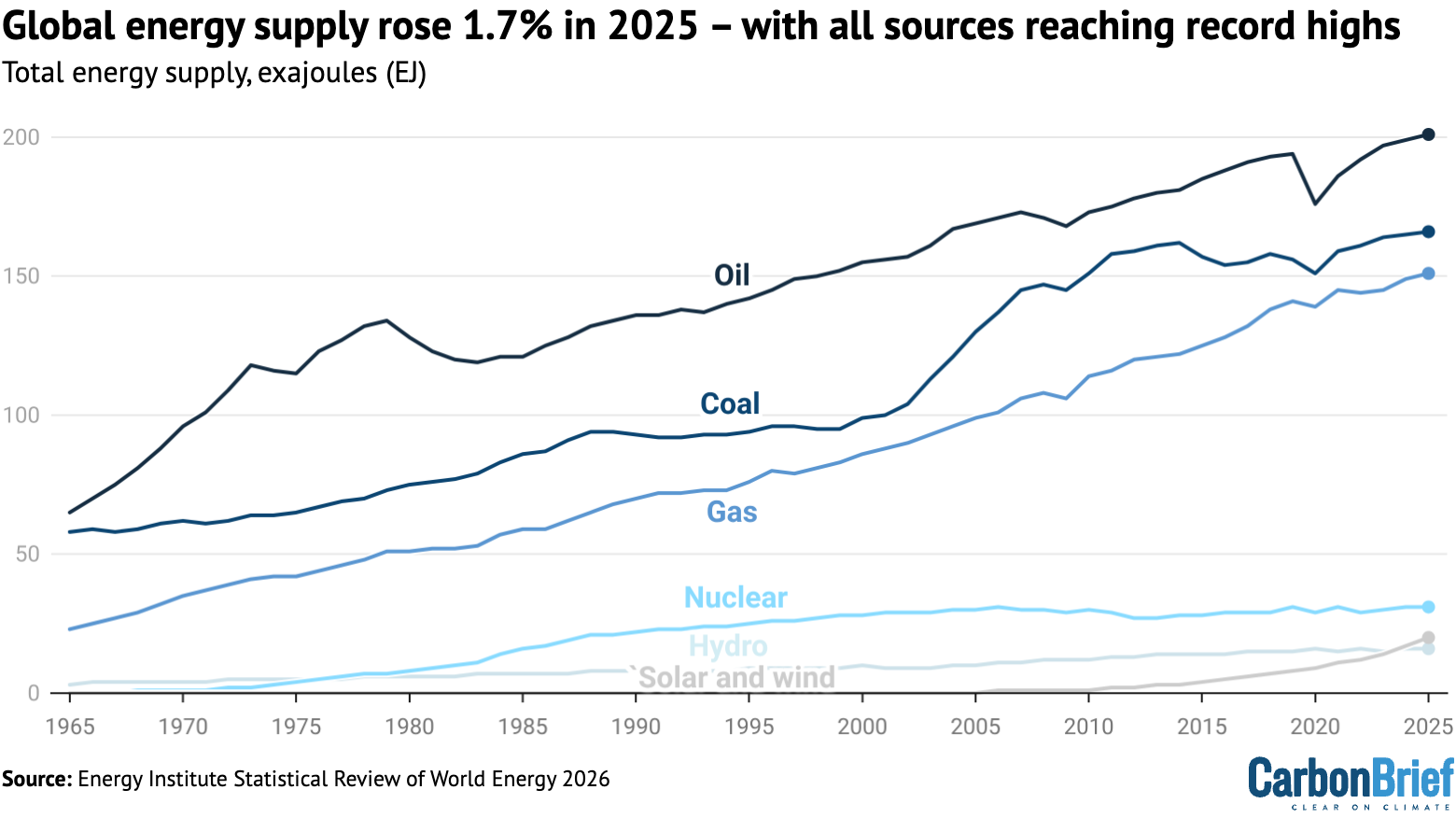
Clean power added more to global energy supplies than any other source in 2025, according to the latest Energy Institute statistical review of world energy. Outside the Covid pandemic, it was also the first year ever in which wind and solar, when combined, contributed more new energy than any of the individual fossil fuels. The findings […]

by
The MIT Music Technology and Computation (MTC) Graduate Program — launched in fall 2024 as a collaboration between the Music and Theater Arts Section in the School of Humanities, Arts, and Social Sciences (SHASS), and the School of Engineering (SoE) — presented its inaugural MIT Music Technology Research Showcase on May 13. The event played […]

by
“Beyond Data-Driven Aesthetics,” by MIT Architecture alumnus and researcher Alexandros Haridis, on view at the MIT Keller Gallery through June 30, examines 20th- and 21st-century efforts to transform computing into a medium for creative production and aesthetic judgment in architecture and the applied arts. Drawing on philosophy, mathematics, computer science, and design computation, the exhibition […]
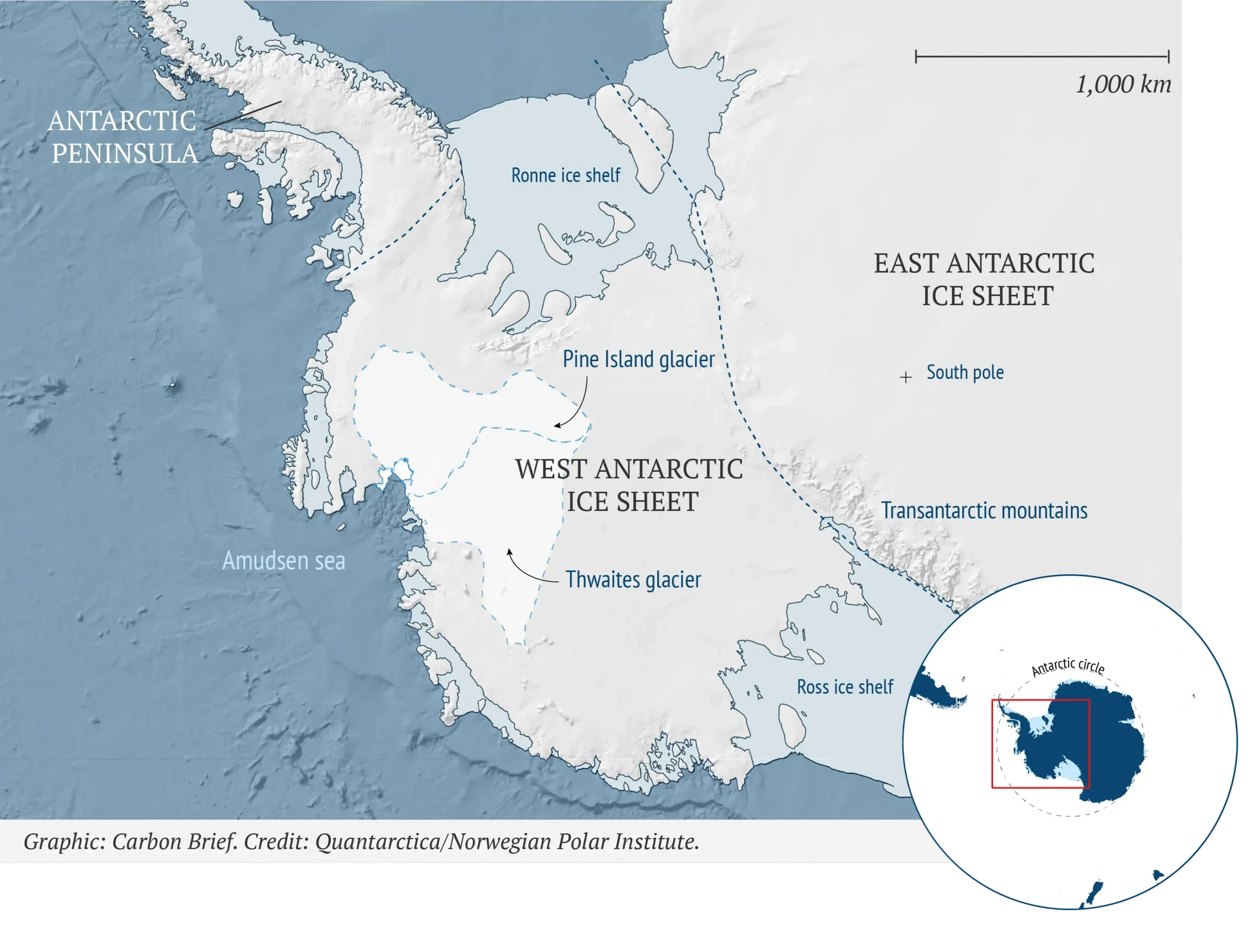
The Pine Island glacier in West Antarctica is one of the fastest-changing glaciers in the world. Alongside its neighbour, the Thwaites glacier, it is responsible for almost half the sea level rise caused by melting ice sheets in Antarctica. Scientists know the West Antarctic ice sheet – which includes Thwaites and Pine Island – is […]

by
David Autor, the Daniel (1972) and Gail Rubinfeld Professor in the MIT Department of Economics, has been named head of the Department of Economics, effective July 1. “David is a world-class labor economist,” says Agustín Rayo, the Kenan Sahin Dean of the School of Humanities, Arts, and Social Sciences. “He is also an individual of […]

Welcome to Carbon Brief’s DeBriefed. An essential guide to the week’s key developments relating to climate change. This week Record Europe heat HOTTEST EVER: The UK broke its temperature record for June twice this week, while France recorded its hottest day ever two days in a row, reported the Guardian. The Times reported that temperatures reached […]
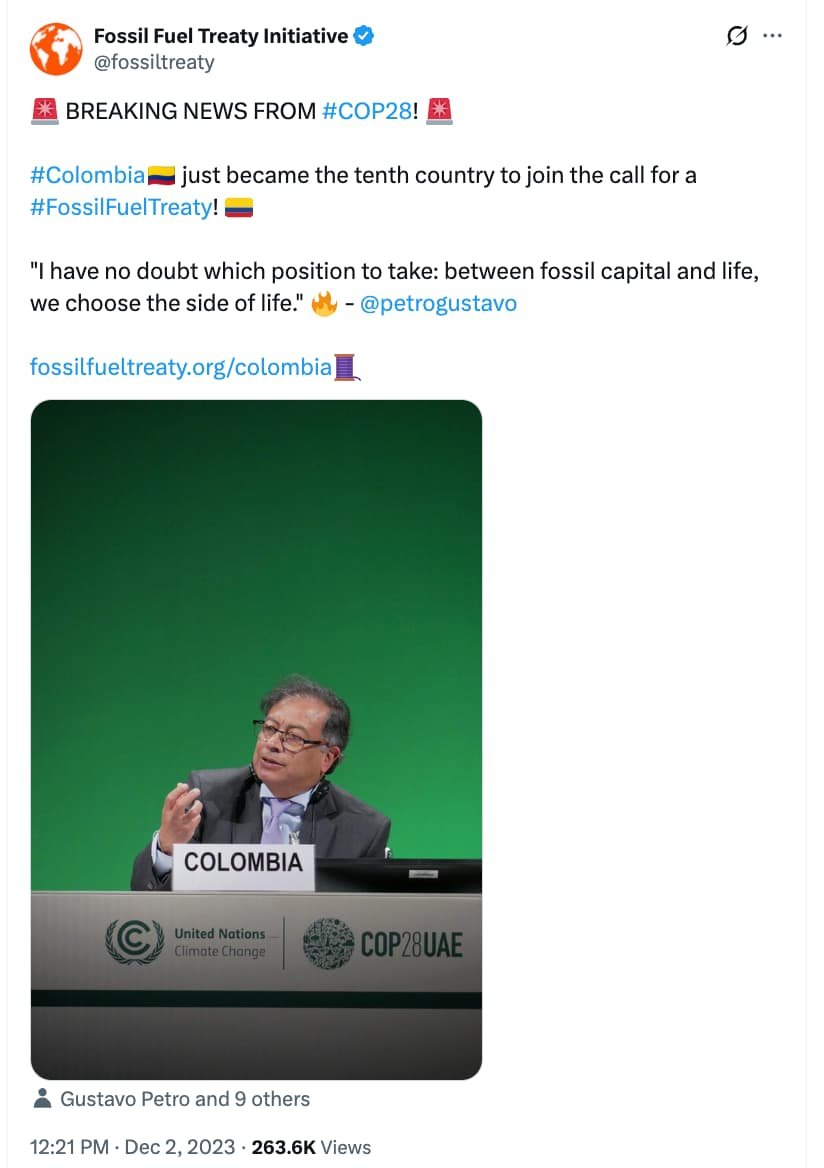
Over the last four years, Colombia has emerged as one of the most vocal advocates for the world to transition away from fossil fuels. Under the leadership of leftist politician and economist Gustavo Petro, it became the first major oil-and-gas producer to commit to halting all new fossil-fuel expansion. In April, the nation hosted a […]

by
Imagine working at a warehouse or office sometime in the near future, and you’re asked to help a new trainee learn the basics of their job. The catch: It’s a robot. To teach them, you might want to play a game of “show and tell” — that is, physically showing how to do something a […]

For the second time in two months, western and central Europe has been hit by a record-breaking heatwave. Temperature records have toppled in multiple countries, with France seeing its “hottest day ever” for two days running and the UK, Spain and Switzerland breaking records for June. A rapid-response attribution study has concluded that “climate change […]

by
Over the past 80 years, America’s bold, sustained investment in scientific research, and the discoveries, ideas and innovations that flowed from it made America a world leader. The nation’s scientific leadership has been essential to our shared prosperity and national security, and delivered real benefits for all Americans. On June 16, Scientific American released a special […]

by
In this article, you will learn how to distinguish agentic workflows from autonomous agents by focusing on who owns control flow — a human writing…

Welcome to Carbon Brief’s China Briefing. China Briefing handpicks and explains the most important climate and energy stories from China over the past fortnight. Subscribe for free here. Key developments New five-year plans GENERATION TARGET: China today released its 15th five-year plan for building a “new-type energy system”, according to finance news outlet Cailianshe. It said […]

Twice as many animals died due to heat stress en route to slaughterhouses during the UK’s record-hot summer in 2025 compared to 2024, according to new Carbon Brief analysis. Government figures showed that nearly 6,600 animals – mostly chickens – died in transport as a result of the sweltering summer heat in England and Wales […]

For the first time in the UK, more new electric vehicles (EVs) have been sold over a 12-month period than petrol cars, according to Carbon Brief analysis. The news comes amid a battle over the future of the UK’s “zero-emissions vehicle” (ZEV) mandate, which the car industry and some unions are pushing to water down. […]
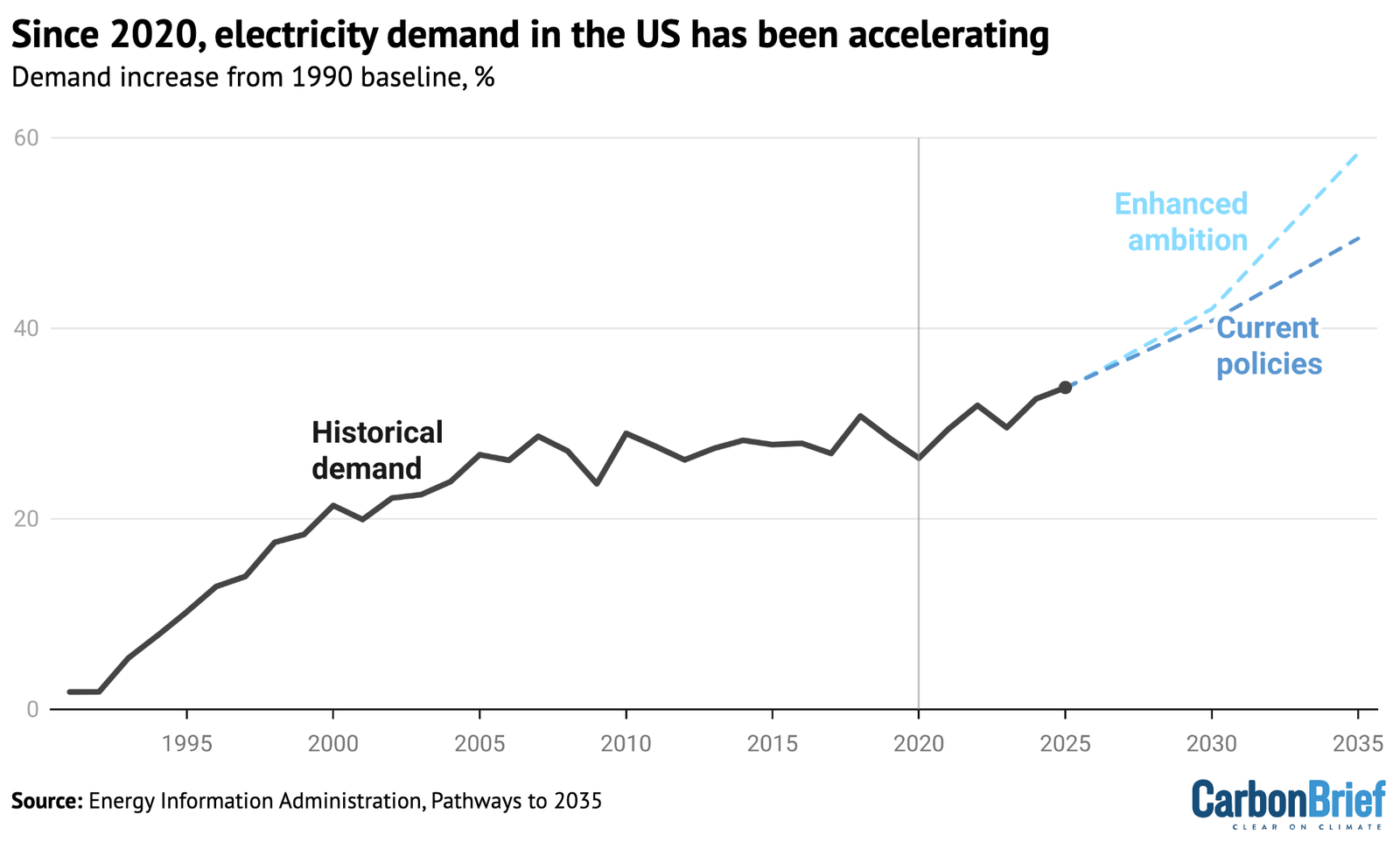
Despite recent shifts in federal energy policies, our analysis shows that the US transition to renewable energy is continuing. The current administration has enacted a range of changes to prioritise fossil-fuel energy and environmental deregulation in the US, while withdrawing support for renewables. Yet solar, wind and battery storage accounted for over 90% of new […]

by
Agentic workflows are artificial intelligence-powered software systems that chain together multiple models and external tools to tackle complicated tasks, like analyzing a video and answering questions about it. But the way these highly fragmented systems are designed and deployed often causes inefficiencies that can lead to wasted computation, energy, and cost. To improve efficiency, researchers […]

by
Most AI agent tutorials start with an API.

by
The current era of Generative AI seems to primarily focus on chat interfaces and prompts, but the range of applications of large language models , or LLMs for short, is not limited to just that.