
 This article contains sponsored content.
When the British Antarctic Survey (BAS) set out to drill into the most inaccessible and least-understood part of Thwaites Glacier in East Antarctica, they relied on proven technology capable of withstanding extreme cold, isolation and operational intensity (words: Cat Pumps).
Thwaites is one of the largest and fastest-changing glaciers in Antarctica. Despite its importance, little has been known about the ocean processes melting the glacier from below. To address this knowledge gap, a hot water drilling system was deployed to melt a borehole through the Thwaites Ice Shelf. This marked the first time hot water drilling had taken place on the glacier.
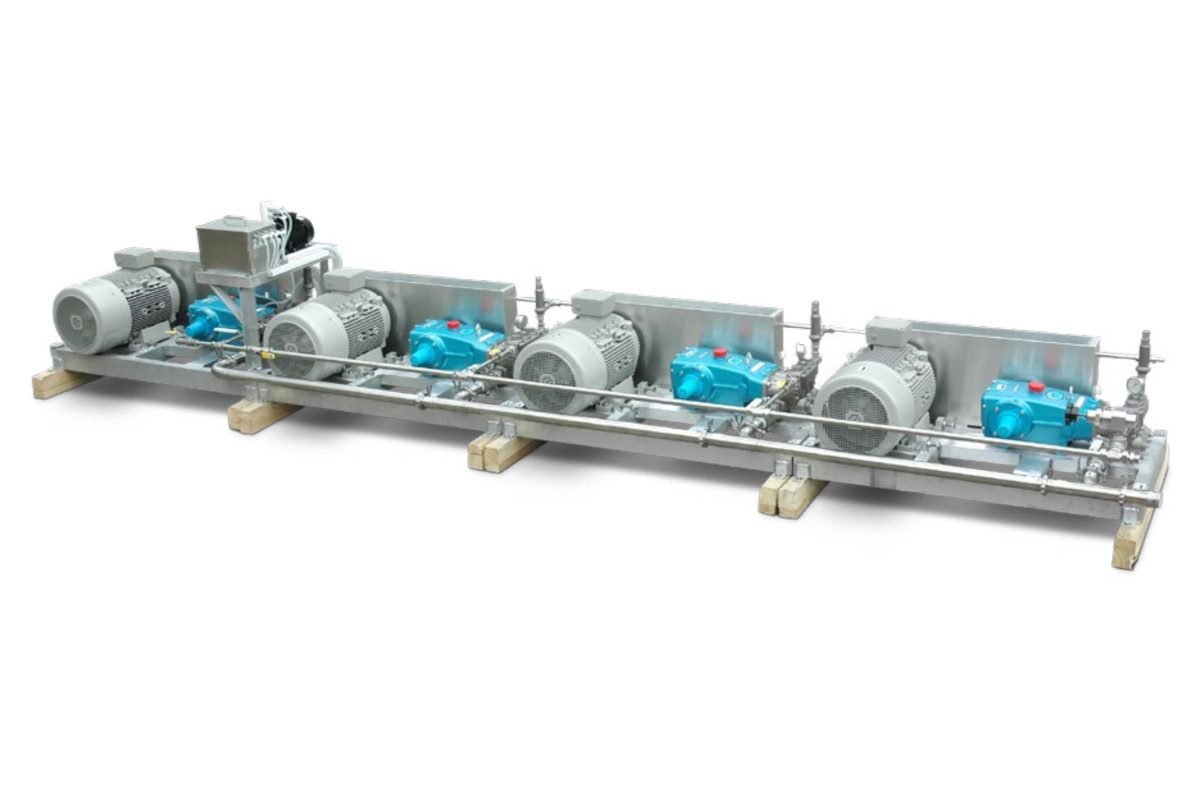
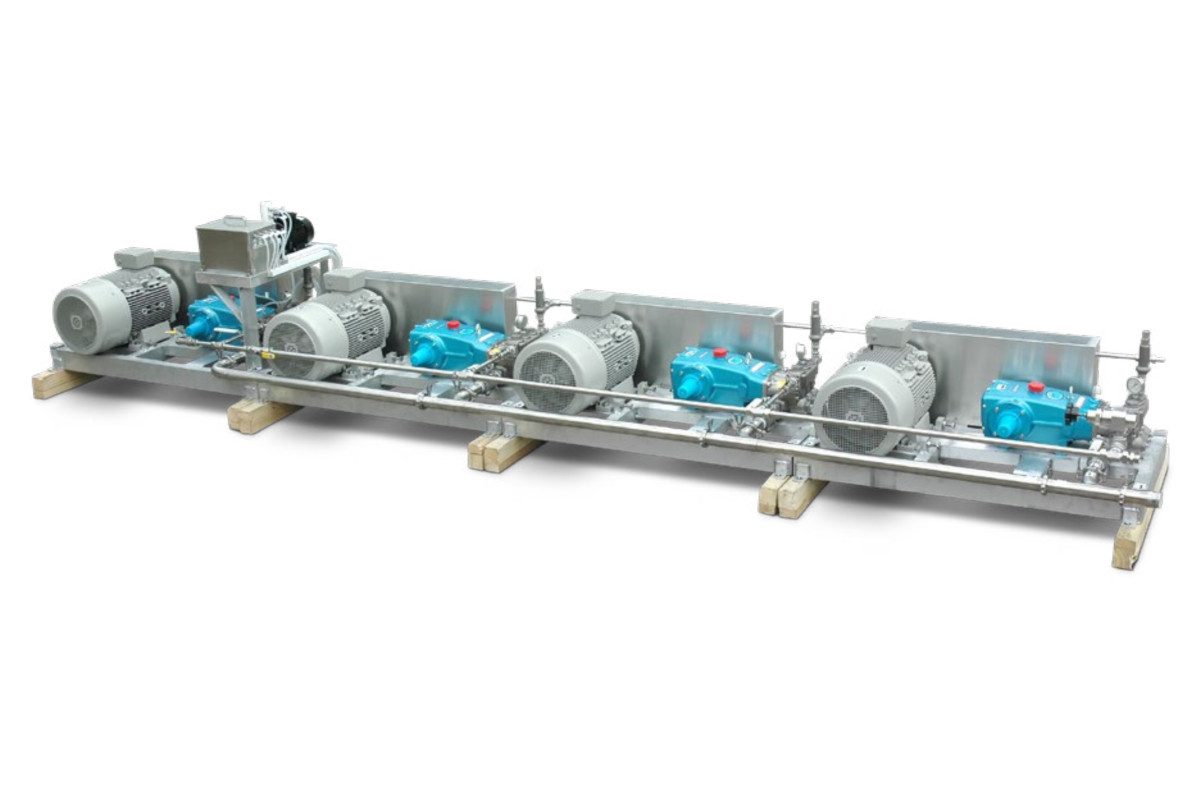
The system utilised heaters, generators and Cat Pumps 3521C pumps to heat and pump water to between 80–90°C, at a flow rate of 80–100 litres per minute and 140 bar pressure. The result: an access hole to the ocean cavity below, allowing the deployment of oceanographic instruments to gather the first real-time data from this critical location.
For decades, BAS has utilised Cat Pumps for its hot water drilling systems. Despite the arduous conditions of snow burial, ice build-up and continuous exposure to extreme low temperature conditions, Cat Pumps 3521C pumps continued to perform exceptionally.
When operating in Antarctica, failure is not an option. Equipment must endure transport, survive temperature of -50°C, operate under high-pressure thermal loads, and remain serviceable in isolation.
For decades, Cat Pumps have demonstrated that longevity, robustness, durability and serviceability are not marketing claims — they are operational realities.